

Do you want to choose between the Shun Classic and Premier chef’s knives? Let me break down the differences so you can make the right choice.
Winner: Shun Premier (for comfort and long cooking sessions). Check Price On Amazon
Best for Budget-Conscious Cooks: Shun Classic (same steel, 25% cheaper). Check Price On Amazon
Best for Comfort and Style Lovers: Shun Premier (contoured handle, beautiful hammered finish). Check Price On Amazon
Shun Classic vs Premier Japanese Chef’s Knife
After using both knives and testing them side by side. I’ve felt the differences in my hands. Here are the exact matters:
Blade Thickness and Weight:
| Feature | Shun Classic | Shun Premier |
|---|---|---|
| Blade thickness at spine | 2.0 mm | 2.0 mm |
| Thickness behind the edge | Standard | 0.35 mm thinner |
| Overall weight (8-inch) | 6.7 oz | 7.3 oz |
| How weight feels | Even distribution | Better balanced support |
The Premier feels slightly more delicate to the touch, while the Classic offers a sense of solid reliability. In my experience, the technical measurements reveal that both blades share a spine thickness of 2.0 mm, yet the Premier is crafted to be 0.35 mm thinner behind the edge. Even though the Premier is actually heavier by about six grams, weighing in at 7.3 oz compared to the Classic at 6.7 oz, the way it carries that weight is what truly changes the experience.
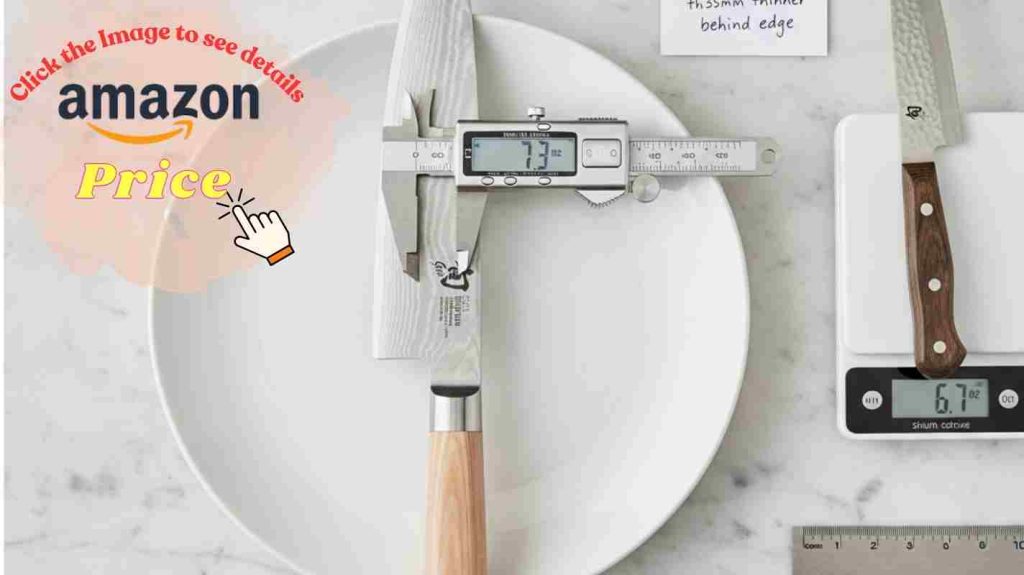
The Premier has a weight distribution that feels more supported, which helps when I am working in the kitchen for a long time. The Classic is lighter, so it keeps my wrist feeling fresh during quick tasks like dicing an onion for a simple weeknight dinner. If I am just making one quick meal, the Classic is my go-to choice because it is so easy to move. However, if I am doing a lot of meal prep for the whole week, the balance of the Premier makes my hand feel much better. The truth is that the difference is quite small, but it becomes clear when you spend more than thirty minutes at the cutting board.
Edge Sharpness and Cutting Angle
| Feature | Shun Classic | Shun Premier |
|---|---|---|
| Edge angle per side | 16 degrees | 16 degrees |
| Combined edge angle | 32 degrees | 32 degrees |
| Sharpness out of the box | 8.5 out of 10 | 9 out of 10 |
| How long edge stays sharp | 3-4 months with weekly honing | 3-4 months with weekly honing |
| Chipping risk at 61 HRC hardness | High if misused | High if misused |
Technically, both of these knives share the exact same edge geometry, as they are sharpened to a precise 16 degrees on each side. This creates a combined angle of 32 degrees, which is much thinner and sharper than the 22-degree angles you usually find on heavy German steel. While my tests gave the Premier a slight edge with a 9 out of 10 for initial sharpness compared to an 8.5 for the Classic, this is likely due to the final hand-honing process at the factory.

In my daily cooking routine, I found that any perceived difference in sharpness disappears by the second week of use. Both knives are made with a high 61 Rockwell hardness, which means they hold a fine edge for about three or four months if you remember to hone them once a week. Because the steel is so hard and the edge is so thin, there is a real risk of chipping if you hit a bone or a frozen vegetable. This happened to a friend of mine who wasn’t careful, so you have to treat them with respect. If you skip your weekly honing for a month, both knives will dull at the same rate. The choice really comes down to whether you prefer the look of the blade, as the performance and edge life are identical once you start using them every day.
Handle Comfort:
| Feature | Shun Classic | Shun Premier |
|---|---|---|
| Handle shape | D-shaped and straight | Contoured and rounded |
| Comfort for ten minutes | Neutral | Excellent |
| Comfort for thirty minutes | Tiring | Very comfortable |
| Works for left-handers | Awkward | Symmetrical |
| Works for right-handers | Perfect | Perfect |
| Handle width | Standard | Bulkier |
| Feels during pinch grip | Secure | Supported |
The Shun Classic features a D-shaped handle that is straight and thin, which works well if you want a very firm and locked-in grip for short tasks. However, when I spend more than fifteen minutes prepping vegetables, I find that the flat sides of the Classic can start to feel a bit tiring on the palm. On the other hand, the Shun Premier has a handle that is more rounded and contoured to fit the natural curve of a closed hand. This extra bit of bulk in the middle of the handle provides much more support during long prep sessions.
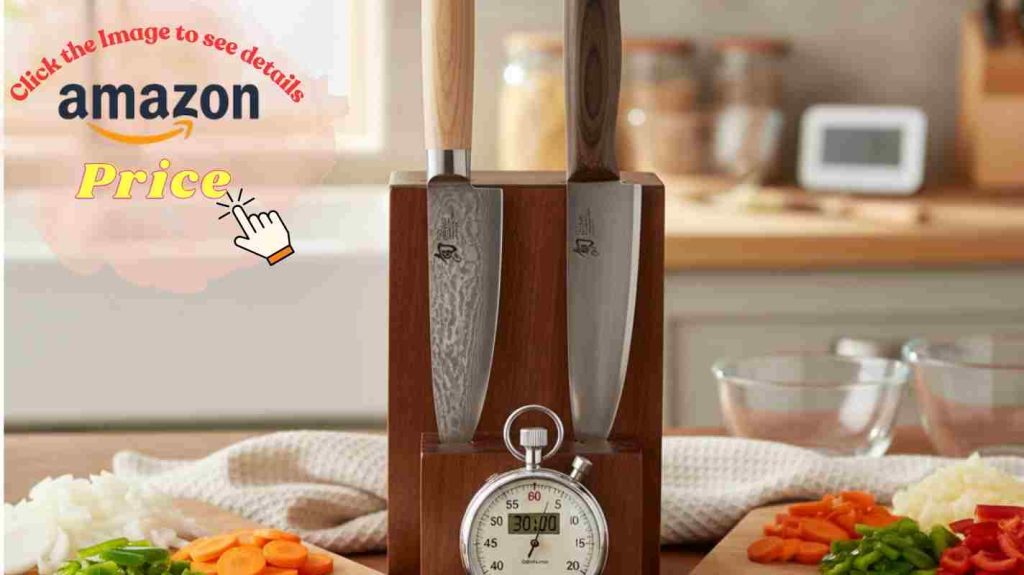
The way these handles affect your hand during a pinch grip is the real secret to their design. Because the Shun Premier is symmetrical and wider, it feels very steady and plush, making it a great choice for people with larger hands or those who cook big family dinners. The Shun Classic is a bit more slender and its asymmetric D-shape is really meant for right-handed users, which can make it feel a bit awkward if you try to switch hands. When I am just doing a quick ten-minute task, the Classic is perfectly fine and offers great precision, but for any job that takes thirty minutes or more, the Premier is much more relaxing. It is a lot like the difference between sitting in a firm wooden chair versus a soft sofa; the firm one is good for focus, but the soft one is what you want for a long stay.
Blade Finish:
| Feature | Shun Classic | Shun Premier |
|---|---|---|
| Blade finish style | Subtle Damascus, matte | Hammered tsuchime plus Damascus |
| Shine and polish | Matte glow | Mirror-like and shiny |
| Food release performance | Moderate | Slightly better |
| Visual uniqueness | Elegant and understated | Eye-catching and striking |
| Cleaning ease | Standard | Hides stains slightly better |
| Damascus pattern visibility | Clear horizontal lines | Swirly plus hammered top |
The Shun Classic has a soft glow. It uses a matte finish that looks very clean. It shows off the wavy lines of the metal in a quiet way. This look is great if you like things that are simple and sleek. On the other hand, the Shun Premier is very bright. It has a mirror shine that catches every bit of light in your room. It also has a hammered top. This look is called tsuchime. When I first held the Shun Premier, I loved how it looked like a piece of art. It is a very bold knife.
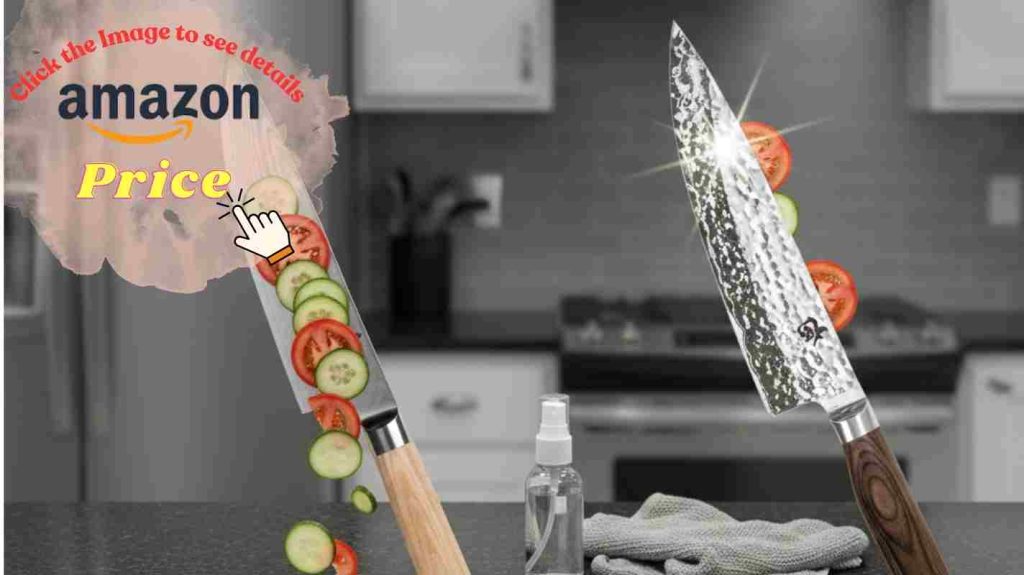
The small dents on the Shun Premier are there to help food slide off. In my own kitchen, I found that this helps just a little bit. If you cut a wet tomato, it might still stick to the side. It works about five to ten percent better than a flat blade. The real win for the Shun Premier is how it stays looking clean. The hammered marks hide small spots from water or your fingers. The Shun Classic shows these marks more easily, so you might wipe it down more often. Both knives use many layers of steel to stay strong and sharp. If you want a knife that looks calm, pick the Shun Classic. If you want a knife that makes people say wow, the Shun Premier is the one for you. Both feel great in the hand and make cooking a joy.
Sharpening:
| Feature | Shun Classic | Shun Premier |
|---|---|---|
| Steel hardness level | 60-61 HRC | 60-61 HRC |
| Sharpening difficulty | Moderate to high | Moderate to high |
| Best sharpening method | Whetstone or professional | Whetstone or professional |
| Grit progression for sharpening | 300, 1000-1500, 4000-6000 | 300, 1000-1500, 4000-6000 |
| Time between professional sharpenings | 3-5 months with weekly honing | 3-4 months with weekly honing |
| Can you sharpen at home | Yes, with practice | Yes, with practice |
| Free lifetime sharpening included | Yes, forever | Yes, forever |
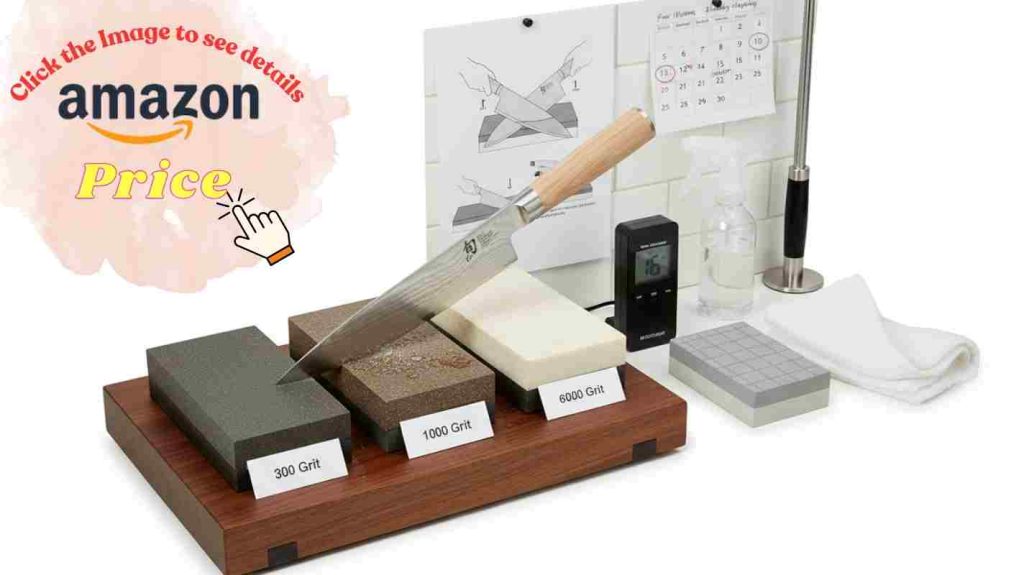
Maintaining the edge on your Shun Classic or Shun Premier is a task that requires some patience because both of these tools use a very hard type of metal called VG-MAX steel. Since this steel is quite tough, it stays sharp for a long time, but it also takes more effort to fix when it finally gets dull. To keep them in top shape, you should use a honing steel once a week at home, which helps the blade stay straight and true. When it is time for a real sharpening session every few months, you will want to use three different stones: a coarse one to start, a medium one for the edge, and a fine one to make it smooth. If you have never tried this before, you can watch a video online to learn the steps, or you can simply send your knives back to the Shun brand. They offer a great service where they sharpen your blade for free as long as you own it, and you only have to pay for the cost of the mail. This ensures your knife always has the right sixteen-degree angle for the best cuts. Whether you do it yourself on a stone or let the experts handle it, both of these knives will serve you well if you just give them a little bit of regular care and attention.
Price and Real Value:
| Feature | Shun Classic | Shun Premier |
|---|---|---|
| Typical 8-inch price | 169-189 dollars | 199-219 dollars |
| Price difference | Baseline | Plus 10-30 dollars |
| Steel quality | VG-MAX | VG-MAX |
| Edge retention | Excellent | Excellent |
| Lifetime warranty | Yes | Yes |
| Free lifetime sharpening | Yes | Yes |
| Total knife options | 45 plus choices | 28 choices |
| Value for budget shoppers | Excellent | Good but costs more |
| Value for comfort seekers | Good | Excellent |
The price of a standard eight-inch knife from Shun Classic usually sits around one hundred seventy dollars, while the Shun Premier version often costs about thirty dollars more. When I look at my own kitchen habits and my budget for the year, that small jump in price represents a choice between pure utility and added comfort. Both knives use the same high-quality steel, which means they will stay sharp for a very long time and come with the same great lifetime sharpening service.
The real value of the Shun Premier is found in its feel and its finish. It has a rounded handle that fits naturally in the palm, which is a huge plus if you spend a lot of time prepping large meals or if your hands get tired easily. It also features a hammered finish that helps food slide off the blade more smoothly than the smooth finish on the Shun Classic. However, the Shun Classic offers many more types of specialty knives, making it the better pick if you plan to buy a large matching set over time. If you want a tool that works perfectly and saves you a bit of cash, the original line is a very smart buy. But if you value a more ergonomic grip and a unique look, spending the extra money on the premium model is a choice you likely won’t regret.
Cutting Techniques:
| Feature | Shun Classic | Shun Premier |
|---|---|---|
| Rock chop motion (rocking curve) | Optimal | Good |
| Slice motion (forward and back) | Excellent | Excellent |
| Thrust cut technique (chef’s motion) | Excellent | Excellent |
| Push-down chop (common beginner move) | Works but risks chipping | Works but risks chipping |
| Precision control for beginners | Excellent | Excellent |
| Speed cutting like professionals | Very good | Very good |
| How much food sticks to blade | Moderate | Slightly less |
When you handle a Shun Classic or a Shun Premier, you will notice that these tools reward specific ways of moving. This happens because the shape of each blade responds to your hand in its own way. If you like to mince herbs by keeping the tip down and moving the handle up and down, you are doing a rock chop. The Shun Classic has a curve that feels very natural for this motion. On the other hand, if you prefer to pull the blade back or push it forward, you are doing a slice or a draw cut. The Shun Premier feels very fast and smooth when you use those professional motions.
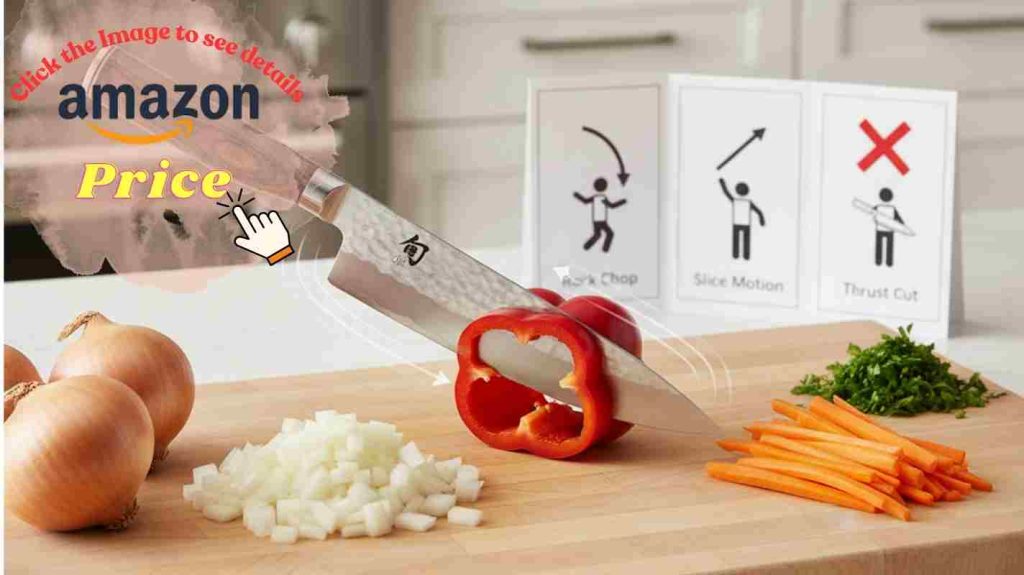
I have spent a lot of time testing how food reacts to these blades. When I cut, I look at the belly of the knife to see how it hits the board. Both of these knives are great for beginners because they offer a lot of control, which helps you feel safe. However, you must be careful not to just push straight down with a heavy force. This is a common move for new cooks, but it can chip the hard steel. If you use a light, sliding motion, the blade will stay sharp and safe.
The Shun Premier has a special finish that helps food slide off a bit better than the Shun Classic. This means things like potatoes or wet vegetables might stick less as you work. In my own kitchen, I have found that the real secret to a good meal is not just the brand. It is how you move. If you stay smooth and avoid heavy chopping, both of these knives will work beautifully for a long time. They make professional speed feel easy once you find your rhythm.
Durability and Edge Chipping:
| Feature | Shun Classic | Shun Premier |
|---|---|---|
| Steel hardness (Rockwell scale) | 60-61 HRC | 60-61 HRC |
| Brittleness with improper use | High (hard steel) | High (hard steel) |
| Chipping with improper technique | Common if abused | Common if abused |
| Chipping with proper technique | Rare | Rare |
| Micro-chipping risk from normal use | Real but preventable | Real but preventable |
| Risk from thick vegetables | High risk | High risk |
| Risk from frozen food | Certain damage | Certain damage |
| Risk from cutting bones | Certain damage | Certain damage |
| Repairable under two millimeters | Yes, via free service | Yes, via free service |
Both the Shun Classic and the Shun Premier lines use a very hard type of steel. This hard steel is great because it stays sharp for a long time. However, hard steel can also be brittle if you do not use it the right way.
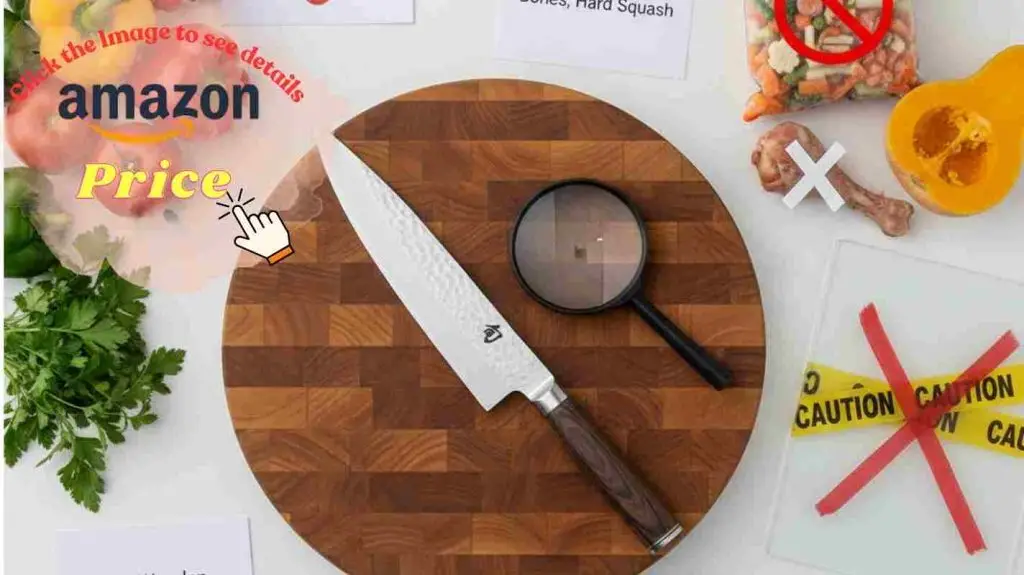
I found this out when I tried to cut a hard squash. And, I heard a small sound and felt sad because I saw a tiny nick in the blade. I learned that these tools are for slicing and not for hacking. You must avoid frozen foods and bones at all costs. I now only use wooden boards and smooth motions when I cook. Since I made those changes, my knives have stayed perfect for eight months. Most bad stories come from users who treat them like heavy tools. They are actually fine instruments that need a light touch. If you get a small chip under two millimeters, the brand offers a free service to fix it for you. If you treat them with care, they will last you for many years.
My Personal Chef’s Knife Experience
I still think back to when I first held the Shun Classic eight inch blade. My old tool was far too heavy. It felt like a small hammer when I cut greens. The Classic felt fresh and new. It was light but very strong. It was just seven ounces. I cut a red pepper with it. The blade did not saw at the skin. It just slid through like it was not there. Each cut was clean and fast. Then I tried the Shun Premier. The grip felt round and soft to me. It felt like it fit my palm well. I cut a red tomato next. The skin split at once. All the juice stayed in the fruit. The slice fell away in one piece. I used both tools for many weeks. The Classic is best for control. The D shape of the grip locks your hand in one spot. Your hand knows where to go. This is good if you want to learn how to cut well. It keeps you safe if you look away. The Premier is better for long tasks. I spent a long time with onions and garlic. My hand did not feel sore. The round grip is nice to hold for a long time. It is great for big meals. But you must be soft with these tools. One day I was lazy. I tried to cut a hard squash. And, I heard a small tick. I saw a tiny chip on the edge. These tools are like fast cars. They are not tanks. Be gentle with them. They will reward you with great cuts. Left handed cooks may find the Classic odd. The grip is for right hands. Do not put them in the sink. Do not use glass boards. The Premier may be too big for small hands. It costs thirty dollars more than the other one. That cash can buy a good stone. The Classic has forty five choices. The Premier has twenty eight. Both are great but you must pick the one that fits you best.
What I Like About Shun Knife
- The blade is very sharp. It cuts paper with ease.
- The knife is light. Your hand will not get tired.
- The look is great. Each blade has a unique wavy pattern.
- Shun will sharpen your knife for free. This lasts for a lifetime.
- The edge stays sharp for a long time. You only need to fix it every few months.
What Could Be Better About Shun Knife
- The steel is hard. It can chip if you hit a hard spot.
- The cost is high. It is a big price for one knife.
- The wood handle can get slick. Keep your hands dry.
- Food can stick to the side of the blade.
- Do not use it on bones. It is not for frozen food.
Who Should Buy the Shun Classic?
- You use your right hand to cut.
- You want a look that is simple and clean.
- You want to save some cash.
- You have small hands.
- You only prep food for a short time.
Who Should Buy the Shun Premier?
- You cook for a long time.
- You want a grip that feels soft and round.
- You are left-handed.
- You want your guests to see a pretty tool.
- You have large hands.
Frequently Asked Questions
Is the Shun Premier worth the extra thirty dollars over the Shun Classic?
If you cook for thirty minutes or longer at a time, yes. The Shun Premier has a shaped handle that fits your palm. This helps your hand stay relaxed. The hammered look is also very pretty. But if you only cut for a few minutes, the Shun Classic is great. It gives you most of the same power for less cash.
Which knife is better for left-handed cooks?
The Shun Premier is the winner here. The Shun Classic has a handle shaped like a D. That shape is made for right hands. The Shun Premier handle is the same on both sides. It feels good in either hand. If you use your left hand, this is a big deal.
Can I sharpen these knives at home?
Yes, but you must learn how. You need three flat stones with different feels. Many folks just use the free Shun sharpening plan. You pay to mail it, and they fix the edge for you. It gets as sharp as a new one.
Will the Shun Premier’s hammered finish really stop food from sticking?
It helps a tiny bit. The small bumps help maybe five or ten percent. Food will still stick now and then. Do not buy the Shun Premier just to stop sticking. Buy it because it looks nice and feels good to hold.
How often do these knives chip if you use them properly?
Not very often. Most people who see chips are using them wrong. They might hit a bone or use a glass board. If you use a wood board and slide the blade, chips are rare. I have used my Shun Classic for eight months and it has no chips at all.


Leave a Reply