

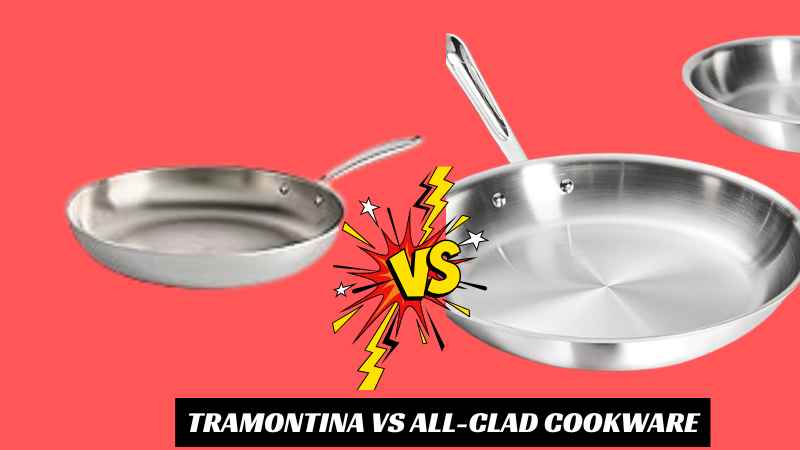
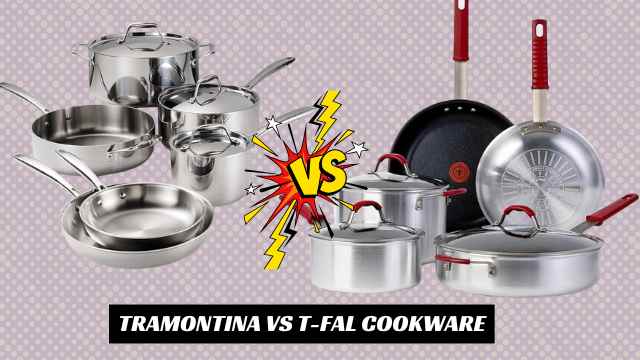
Tramontina vs. All-Clad has a huge difference. Even though they both offer fully clad, tri-ply stainless steel cookware. Both brands heat evenly and work on induction cooktops. But their prices and design create very different experiences.
As a chef, I have to say that if you want heirloom, USA-made cookware with maximum heat capacity, superior edge-to-edge searing, and high-temp oven durability up to 600°F, All-Clad D3 is the industry benchmark.
If you want 85–90% of that performance at roughly one-third the price—with noticeably more comfortable, rounded handles—Tramontina Gourmet Tri-Ply Clad (Made in Brazil) is the best value stainless steel cookware set on the market.
Winner: All-Clad D3 (for overall performance and durability). Check Price On Amazon
Best for Budget Shoppers: Tramontina Tri-Ply Clad. Check Price On Amazon
Best for frequent cooks seeking premium quality: All-Clad D3. Check Price On Amazon
Tramontina vs All-Clad Comparison
I tested both pans on the same stove, same burner, same heat settings, same ingredients. Here is everything you need to know before you decide.
Construction and Metal Layers
| Feature / Layer | Tramontina Gourmet Tri-Ply Clad | All-Clad D3 Stainless |
| Cladding Style | Full 3-ply clad (base to rim) | Full 3-ply clad (base to rim) |
| Interior Cooking Surface | 18/10 (AISI 304) stainless steel | 18/10 (AISI 304) stainless steel |
| Inner Core Material | Heavy-gauge pure aluminum | Denser commercial 1050/3003 aluminum |
| Exterior Base Layer | Magnetic AISI 430 stainless steel | Magnetic AISI 430 stainless steel |
| Total Wall Thickness | ~2.6 mm | ~2.6 mm |
| Chemical Safety | 100% Non-toxic (0% PTFE, PFOA, lead) | 100% Non-toxic (0% PTFE, PFOA, lead) |
| Rim Design | Flared rim for easy pouring | Flared rim for drip-free pouring |
| Country of Origin | Brazil | USA (Canonsburg, Pennsylvania) |
Winner: All-Clad D3 wins for commercial-grade metal bonding and USA heritage; Tramontina Tri-Ply Clad wins for matching full-body 18/10 steel cladding at a fraction of the cost.
When I placed both pans on my kitchen counter, they looked like shiny silver mirrors. Both brands build their cookware like a three-layer metal sandwich. A soft core of pure aluminum sits locked between two sturdy sheets of steel. This aluminum layer runs all the way up the side walls, so heat wraps around your food rather than pooling at the bottom.
I love that both pans use food-safe 18/10 steel on the cooking surface. You can simmer bright red tomato sauce or squeeze fresh lemon juice with zero metallic aftertaste. There are no toxic non-stick coatings, lead, or Teflon sprays to peel off into your dinner. On the bottom, a tough magnetic steel shell helps both pans snap right to life on induction cooktops.
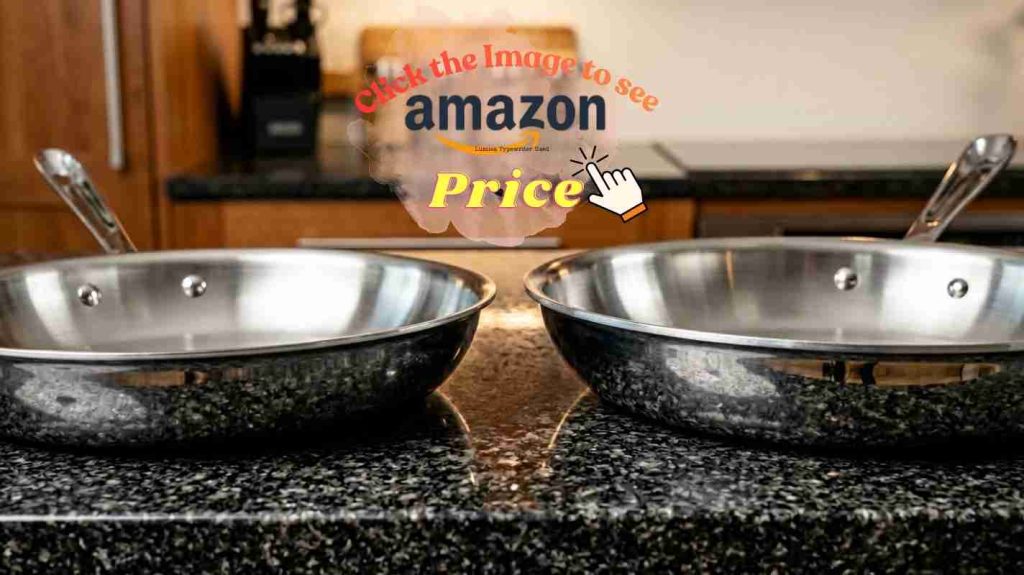
Both pans measure about 2.6 millimeters thick, but they feel distinct in your grip. All-Clad uses a slightly denser core and builds each piece in Pennsylvania, giving it a solid, pro-kitchen heft. Tramontina crafts this tri-ply line in Brazil with smooth rims that pour pan juices without dripping down the sides.
My Advice: If you want heirloom American craft that will outlive your stove, All-Clad is worth the splurge. But if you want the exact same safe, three-layer clad design for far less money, Tramontina is a true kitchen joy.
Heating Speed and Performance
| Performance Metric | Tramontina Gourmet Tri-Ply Clad | All-Clad D3 Stainless |
| Preheat Speed (to 375°F) | Very fast (~2 mins 10 secs) | Fast and steady (~2 mins 30 secs) |
| Heat Retention | Good (drops slightly with cold food) | Outstanding (holds stored heat) |
| Temperature Recovery | Fast recovery | Immediate recovery |
| Edge-to-Edge Evenness | Very good | Superior |
| Induction Cooktop Noise | Slight hum on high boost | Silent on all settings |
| Searing Crust Quality | Crisp, even golden crust | Deep, dark mahogany crust |
| Simmer Responsiveness | Rapid response to flame changes | Controlled, gradual response |
Winner: All-Clad D3 wins for heavy heat retention, fast thermal recovery, and steakhouse-level searing; Tramontina Tri-Ply Clad wins for faster preheating and nimble temperature control.
I put both pans on my stove to see how fast they woke up. Tramontina is slightly lighter, so it reached cooking heat first. In just two minutes, water drops danced on the warm metal like silver marbles. If you want dinner fast after a long workday, Tramontina saves you time right out of the gate.
The real test came when I placed two cold steaks into the hot oil. That loud sizzle is where the magic happened. Tramontina cooled down for a few seconds when the cold meat touched the pan. All-Clad held its heat like a warm stone, searing the beef with zero hesitation. The result was a deeper, crisper crust from edge to edge.
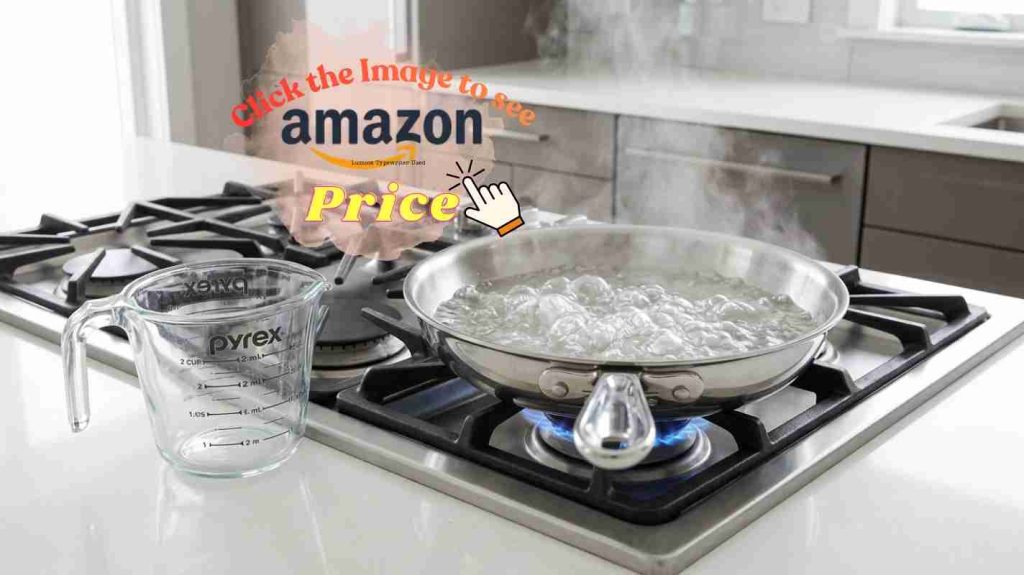
I also tested both pans on my induction cooktop. All-Clad sat completely flat and cooked in total silence. Tramontina gave off a faint buzz on high heat, but it smoothed out as soon as I lowered the power. For delicate cream sauces and melted butter, both pans spread the heat softly without scorching the bottom.
My Advice: If you love quick weeknight dinners and fast stir-fries, Tramontina is hard to beat. It jumps to life quickly whenever you turn the stove knob. But if you want to sear thick steaks and crisp chicken skin like a seasoned chef, All-Clad holds the crown. It keeps its heat steady so your meals brown evenly every single time.
Handle Design and Comfort
| Handle Feature | Tramontina Gourmet Tri-Ply Clad | All-Clad D3 Stainless |
| Handle Shape | Ergonomic rounded cast stainless | Straight with deep top U-channel |
| Bare-Hand Comfort | Excellent (soft, natural grip) | Fair (edges feel stiff and sharp) |
| Grip Security with Mitts | Good | Superior (channel locks the thumb) |
| Torque & Roll Resistance | Moderate | Outstanding (pan will not twist) |
| Stovetop Stay-Cool Performance | Stays cool on normal burners | Stays cool on normal burners |
| Rivet Construction | Dual heavy-duty stainless rivets | Dual heavy-duty stainless rivets |
| Helper Handle (12″ Skillet) | Yes (wide loop handle) | Yes (wide loop handle) |
Winner: Tramontina Tri-Ply Clad wins for bare-hand comfort, ease of tossing, and soft everyday ergonomics; All-Clad D3 wins for secure thumb leverage when pouring heavy foods with thick oven mitts.
When I lifted both pans for the first time, my hands felt the difference right away. Tramontina builds its handle with soft, rounded curves. It sits in your palm like a smooth wooden spoon. I could flip diced potatoes and toss pasta with one hand without feeling any sharp metal biting into my skin.
All-Clad takes a very different path that many cooks either love or hate. Its handle is straight with a deep groove running down the top. If you pick it up with bare hands, the steel edges can feel thin and harsh. But the moment you slip on a thick oven mitt, the secret shows. That deep groove locks your thumb in place so the heavy pan cannot roll or twist while you pour hot pan sauce.
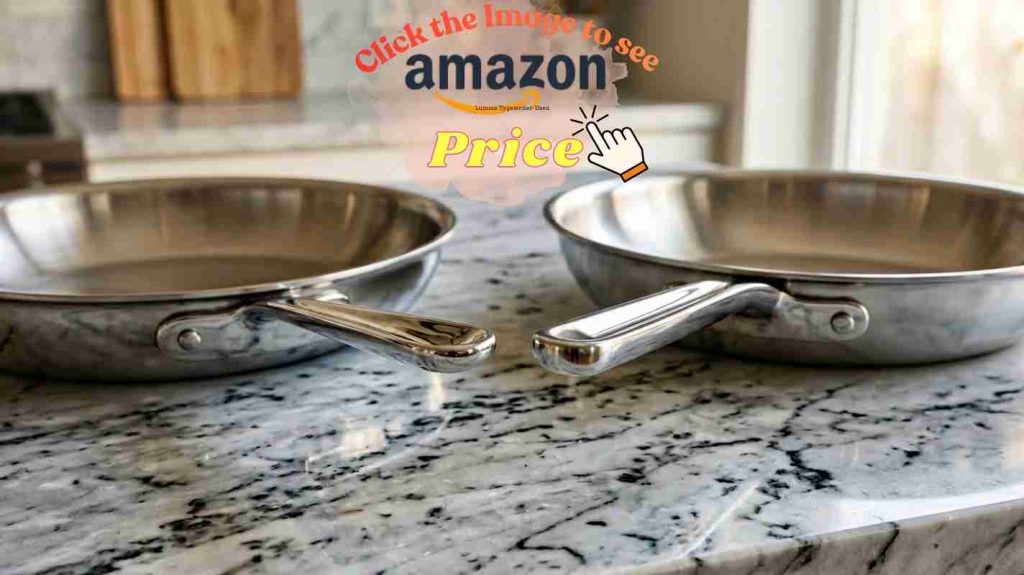
Both brands use strong steel rivets that lock the handles tight to the body. Neither pan wobbles, creaks, or loosens after months of hard use. Both handles stay comfortably cool during normal stovetop cooking, though you will still need a dry towel after pulling them out of a hot oven.
My Advice: If you have sore wrists, small hands, or just want a cozy grip while making dinner, Tramontina is a breath of fresh air. But if you often use bulky kitchen towels and want total safety when tilting a heavy, sizzling roast, All-Clad gives you unbreakable control.
Durability and Lifespan
| Durability Metric | Tramontina Gourmet Tri-Ply Clad | All-Clad D3 Stainless |
| Warp Resistance (Thermal Shock) | High (stays flat after deglazing) | Exceptional (zero bowing on high heat) |
| Scratch Resistance | Very good (satin finish hides marks) | Superior (starburst satin interior) |
| Rivet Stability | Heavy-duty stainless (no looseness) | Commercial-grade stainless (rock solid) |
| Rim Edge Protection | Smooth flared lip | Precision-sealed, rolled edge |
| Expected Lifespan | 15 to 25+ years of daily home use | Lifetime / Multigenerational heirloom |
| Warranty Protection | Lifetime Limited | Lifetime Limited |
Winner: All-Clad D3 wins for heirloom, multi-generational durability; Tramontina Tri-Ply Clad wins for providing 20+ years of rugged, warp-free residential cooking at a budget-friendly price.
I put both pans through a tough stress test on my stove. I heated them hot and dry, then poured in a cup of cold wine to deglaze the bottom. A cheap pan will warp, pop, and rock on the stove in a heartbeat. Both of these pans took the cold liquid like champs and stayed flat against my cooktop without a single dent.
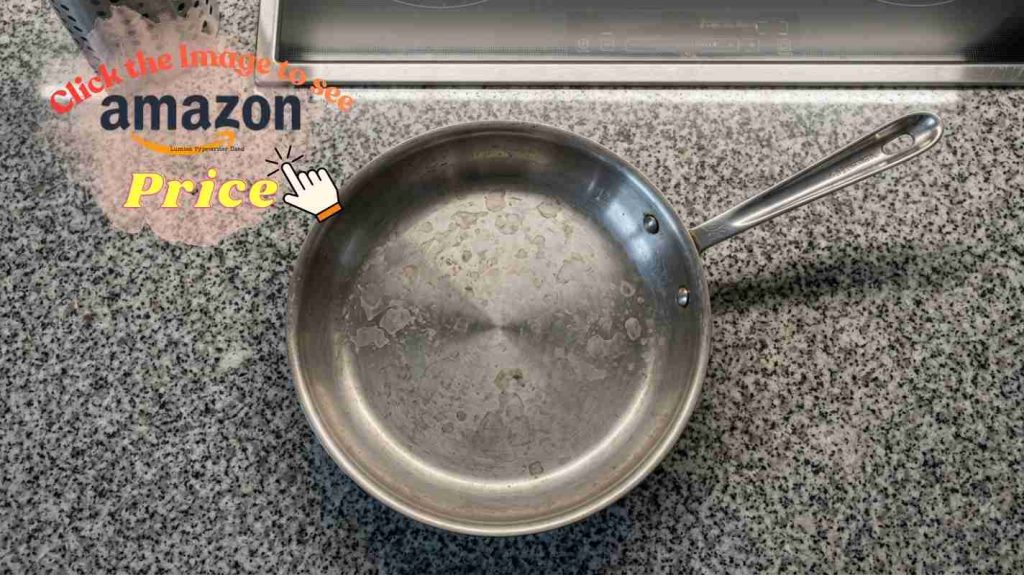
I have used metal spoons, wire whisks, and steel tongs on both surfaces. Over months of cooking, you will see faint surface marks, but that is just honest wear on raw steel. Neither pan will ever chip, crack, or peel like a coated pan. Even the steel rivets stay rock-tight, holding the handles in place with zero wiggle.
My Advice: Tramontina will easily give you fifteen to twenty-five years of reliable meals if you treat it well. All-Clad is built like a tank and can outlast your kitchen appliances to become a family heirloom. If you want a dependable pan that lasts for decades without breaking your budget, Tramontina is a brilliant choice. If you want a true forever pan that will still look great forty years from now, All-Clad is second to none.
Temperature Range and Oven Versatility
| Feature | Tramontina Gourmet Tri-Ply Clad | All-Clad D3 Stainless |
| Max Oven Safe Temp (Pan Body) | Up to 500°F (260°C) | Up to 600°F (315°C) |
| Max Oven Safe Temp (Lids) | 350°F to 400°F (175°C to 204°C) | Up to 600°F (315°C) |
| Broiler Compatibility | Yes (keep 4–5″ from heat coils) | Yes (commercial broiler safe) |
| Cooktop Versatility | Gas, electric, glass, induction | Gas, electric, glass, induction |
| High-Heat Baking (Bread/Pizza) | Good up to 500°F | Superior up to 600°F |
Winner: All-Clad D3 wins for extreme 600°F heat limits and broiler safety; Tramontina Tri-Ply Clad wins for handling 99% of normal home baking and roasting at a far lower cost.
I love to sear pork chops on the stove and slide the pan straight into a hot oven. Both pans make this move with zero fuss. You will not find any cheap plastic handles that melt in the heat. Just grab a dry oven mitt, and your dinner finishes baking with ease.
The heat limits are where these two pans start to branch apart. Tramontina is safe in the oven up to 500°F. That is more than enough heat for roasted chicken, crispy potatoes, and fruit cobblers. All-Clad pushes the envelope up to 600°F, giving you extra peace of mind under a glowing red broiler.
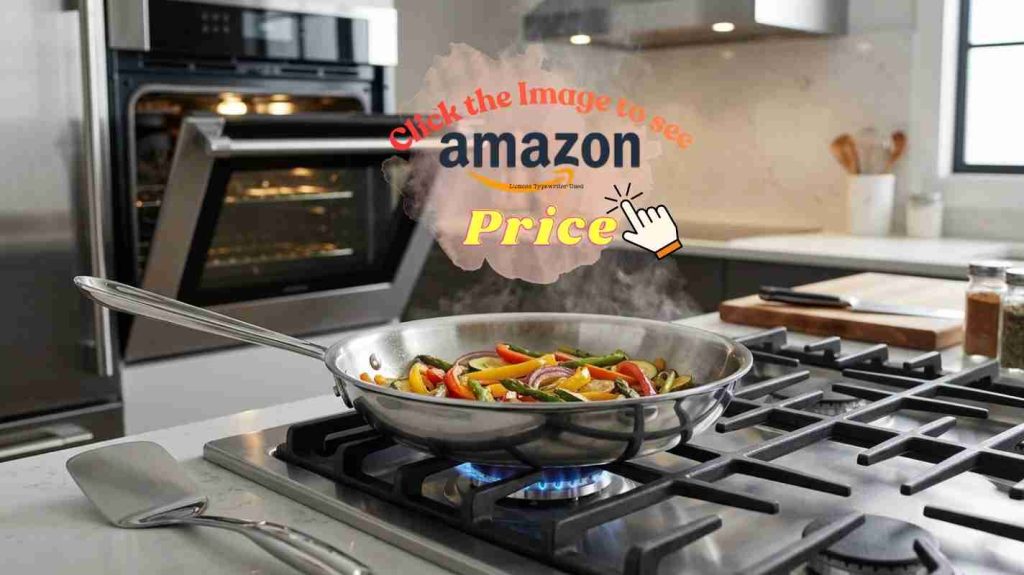
Pay close attention to the lids if you love to slow-braise pot roasts. Tramontina steel lids top out near 400°F in the oven. All-Clad steel lids can handle the full 600°F blast.
My Advice: If you bake everyday casseroles and roasts below 500°F, Tramontina does everything you will ever ask of it. But if you frequently finish steaks under high-temp broilers, All-Clad gives you that extra margin of safety.
Weight and Ergonomics
| Pan Size & Metric | Tramontina Gourmet Tri-Ply Clad | All-Clad D3 Stainless |
| 8-Inch Skillet Weight | 1.70 lbs (771 g) | 1.95 lbs (885 g) |
| 10-Inch Skillet Weight | 2.45 lbs (1,110 g) | 2.75 lbs (1,250 g) |
| 12-Inch Skillet Weight | 3.10 lbs (1,406 g) | 3.50 lbs (1,588 g) |
| Balance Center Point | Close to palm (easy lift) | Forward-heavy (requires leverage) |
| One-Handed Tossing | Effortless and agile | Demands strong wrist control |
| Wrist & Joint Fatigue | Very low (kind to hands) | Moderate to high during long cooks |
Winner: Tramontina Tri-Ply Clad wins for lightweight ease, agile one-handed flipping, and joint comfort; All-Clad D3 wins for satisfying commercial heft and planted stovetop stability.
I spent an evening sautéing bell peppers and tossing pasta with both pans. Tramontina felt nimble and quick in my grip from the first minute. A ten-inch Tramontina pan weighs about 2.45 pounds. The same All-Clad pan weighs 2.75 pounds, and you feel that extra metal right away.
My Advice: When you flip food with one hand, that weight gap matters a lot. Tramontina keeps its balance point closer to your wrist, making it easy to tilt and toss. With All-Clad, the extra ounces sit out in the pan body. After ten minutes of shaking the pan over a hot flame, my wrist started to feel the burn.

That extra heft in All-Clad is not a flaw. It comes from denser aluminum and heavy steel construction. It sits like an anchor on your burner and never slides around when you stir thick stews. But if your hands get sore or your joints ache, that weight can turn dinner into a chore.
My Advice: If you have arthritis, small hands, or just love a lightweight feel, Tramontina is a true lifesaver. You can cook with a smile and zero wrist fatigue. But if you prefer your cookware to feel like heavy, pro-grade armor that stays planted on the stove, All-Clad delivers that classic solid touch.
Cooking Surface and Browning Results
| Cooking Test | Tramontina Gourmet Tri-Ply Clad | All-Clad D3 Stainless |
| Steak Searing & Crust | Crisp, delicious golden sear | Deep, even mahogany crust |
| Browning Evenness | Very good (slight fade at rims) | Outstanding across the entire surface |
| Fond Building & Pan Sauce | Rich fond (needs a little scraping) | Superior fond (releases with ease) |
| Crispy Chicken Skin | Great crunch and quick fat render | Deep golden, crackling crunch |
| Fried Egg Release | Glides cleanly with proper preheat | Glides cleanly with proper preheat |
| Delicate Fish Searing | Clean flip with minimal sticking | Flawless skin release, zero tearing |
Winner: All-Clad D3 wins for steakhouse-level mahogany searing and effortless fond release; Tramontina Tri-Ply Clad wins for matching 90% of that golden crust with fast, everyday browning.
I cooked two thick steaks to see how both pans brown meat. I preheated both until water drops danced like shiny beads across the steel. All-Clad built a deep, dark brown crust across the entire steak. Tramontina gave me a lovely golden sear with just slightly lighter edges.
After lifting the meat out, I looked at the bottom of each pan. The browned bits stuck to the steel are where rich sauce flavors live. I poured in a splash of beef stock to see how easily they released. The bits in the All-Clad lifted off cleanly with a light wooden spoon. In the Tramontina, they needed a little extra nudge to scrape free.

Cooking delicate foods like eggs is the ultimate test for raw stainless steel. With a teaspoon of warm butter, fried eggs slid around both pans like pucks on ice. As long as you preheat the metal before adding oil, neither pan will trap your food. Both pans treat delicate fish fillets and morning omelets with great care.
My Advice: If you dream of five-star steakhouse crusts and love making rich pan sauces, All-Clad has a slight edge. It holds high heat and browns food with incredible evenness. Yet for everyday weeknight meals, Tramontina delivers juicy, golden results that will make your family smile. You get mouthwatering home cooking either way you choose.
Price and Value
| Price & Value Metric | Tramontina Gourmet Tri-Ply Clad | All-Clad D3 Stainless |
| 10-Inch Skillet Price | ~$45 to $60 | ~$130 to $180 |
| 10-Piece Cookware Set | ~$250 to $350 | ~$700 to $900 |
| Average Cost Per Piece | ~$25 to $35 per pan | ~$70 to $90 per pan |
| Warranty Protection | Lifetime Limited | Lifetime Limited |
| Long-Term Resale Value | Moderate | Very high (keeps 60–70% of value) |
| Performance-Per-Dollar | Unbeatable budget champion | Premium luxury investment |
Winner: Tramontina Tri-Ply Clad wins by a landslide for everyday value and performance-per-dollar; All-Clad D3 wins for long-term heirloom investment and strong resale value.
Looking at price tags can give any cook a jolt. A single ten-inch All-Clad pan costs near one hundred and fifty dollars. For that same cash, Tramontina gives you three whole pans. When you look at full boxed sets, the price gap grows by hundreds of dollars.
I always ask myself if All-Clad cooks three times better to match that price. In my own kitchen, the answer was a clear no. Tramontina gives you about ninety percent of the cooking power for far less money. That saved cash can buy plenty of fresh steaks, olive oil, and good wine.
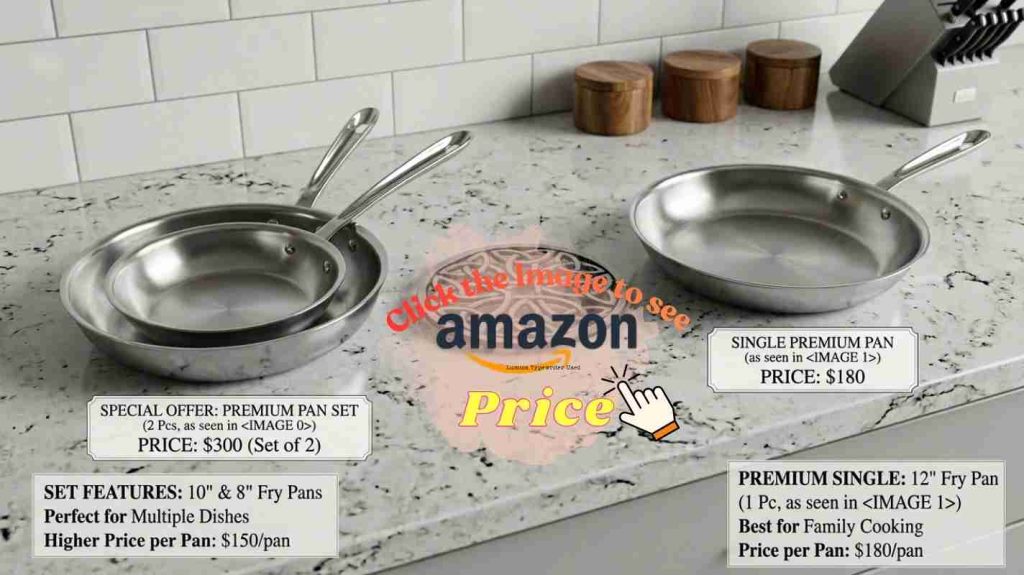
Still, All-Clad earns its high price tag in its own way. It is made in America and holds its value for decades. If you ever sell an old All-Clad pan down the road, buyers will line up for it. You are buying a true luxury tool that your grandchildren can one day cook with.
My Advice: If you want the smartest deal in cookware today, pick Tramontina without looking back. Your wallet will thank you, and your dinner will taste just as great. But if you have the budget and love classic American craft, buy All-Clad. It is a lifetime investment that you will cherish every time you turn on the stove.
Cleaning and Maintenance
| Cleaning & Care Metric | Tramontina Gourmet Tri-Ply Clad | All-Clad D3 Stainless |
| Dishwasher Safe Claim | Yes (hand-washing urged) | Yes (hand-washing urged) |
| Dishwasher Rim Erosion Risk | Moderate (detergent attacks core) | High (past sharp-edge lawsuit) |
| Daily Hand-Wash Effort | Very easy with warm soapy water | Very easy with warm soapy water |
| Bar Keepers Friend Response | Restores to brand-new luster | Restores to brand-new luster |
| Rainbow Heat Tint Removal | Wipes clean with vinegar or powder | Wipes clean with vinegar or powder |
| Burnt-On Food Recovery | Easy after a 2-minute water simmer | Easy after a 2-minute water simmer |
Winner: Tie. Both pans clean up identically with warm soapy water and Bar Keepers Friend, but both must be hand-washed to avoid sharp, eroded edges from dishwasher detergents.
Standing at the sink after dinner is where real life happens. Both pans wash clean with warm water and regular dish soap. If food gets stuck, I just add an inch of water to the pan. After two minutes of soaking, the burnt bits wipe right off with a soft sponge.
Both brands claim they are dishwasher safe, but please do not do it. Harsh machine soaps eat away at the soft aluminum rim over time. This wears down the core and leaves the top steel edges sharp like a knife. In fact, All-Clad settled a major class-action lawsuit over this exact dishwasher issue.
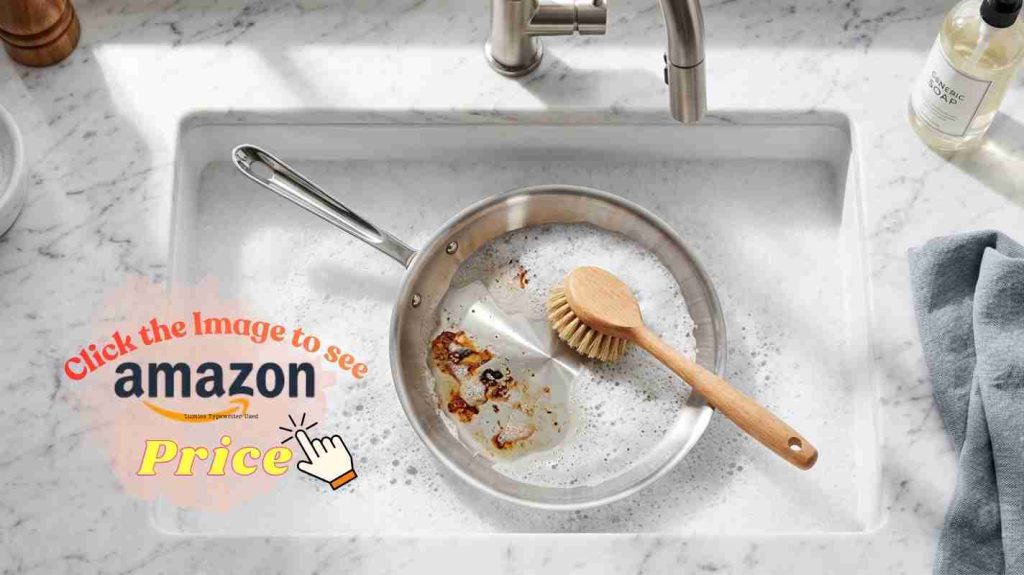
Whenever my pans get cloudy or show rainbow heat spots, I grab a magic powder. A sprinkle of Bar Keepers Friend on a damp sponge works wonders. In under a minute, both pans shine like brand-new mirrors again. It takes all the worry out of cooking on bare stainless steel.
My Advice: Taking care of raw steel is easy once you know the rules. Keep them out of the dishwasher and wash them by hand in warm water. Both brands clean up with the exact same simple routine. You will enjoy shiny, clean cookware for decades with very little fuss.
Best Buyer Profiles
| Cooking Style & Need | Best Choice | The Main Reason Why |
| The Smart Value Shopper | Tramontina Gourmet Tri-Ply | Delivers 90% of All-Clad’s power at roughly 1/3 the price |
| Sore Wrists or Small Hands | Tramontina Gourmet Tri-Ply | Lighter body with rounded, soft-grip handles for easy tossing |
| First-Time Stainless Cook | Tramontina Gourmet Tri-Ply | Low-risk cost while mastering heat control and preheating |
| Steak & Broiler Fanatic | All-Clad D3 Stainless | Top-tier heat retention and commercial 600°F broiler safety |
| The Lifetime Heirloom Seeker | All-Clad D3 Stainless | Made in the USA, lasts 50+ years, and holds high resale value |
| The Clever Hybrid Cook | Mix of Both Brands | All-Clad 12″ skillet + Tramontina saucepans to save $400+ |
Winner: Tramontina Tri-Ply Clad wins for budget-smart families, first-time buyers, and comfortable everyday meals; All-Clad D3 wins for culinary perfectionists, high-heat searing lovers, and lifetime heirloom shoppers.
Friends ask me all the time which brand they should buy. If you want great meals without spending a fortune, choose Tramontina. It is light, easy to lift, and kind to sore wrists. You will get lovely golden food on the table every single night without feeling any buyer’s remorse.
All-Clad is built for the cook who wants the absolute best of the best. If you love searing thick cuts of beef under a blazing broiler, buy this pan. It feels like solid kitchen armor and will outlive your stove. You can gladly pass it down to your kids as a cherished family heirloom.
Here is a smart insider trick that many home cooks use. You do not need to buy one giant matching boxed set. Buy one large All-Clad twelve-inch skillet for your heavy meat searing. Then buy Tramontina saucepans and soup pots to save hundreds of dollars on boiling pasta and simmering sauces.
My Advice: No matter which road you pick, you are stepping up to real, non-toxic cookware. You will never have to worry about peeling chemical non-stick coatings ever again. Pick the brand that fits your wallet and feels natural in your hands, and enjoy making dinner tonight.
My Tramontina and All-Clad Cookware Story
I wanted All-Clad for a long time. The price always stopped me. A single 10-inch All-Clad D3 skillet was around $140. A full set ran close to $800. That felt like too much for home cooking.
So I got smart about it. I found a couple of All-Clad D3 pieces at a discount store. I grabbed one more on eBay for almost nothing. I was building my set one pan at a time.
Then one afternoon at Costco, I spotted a Tramontina Tri-Ply Clad 12-piece set sitting on the shelf. The price tag said under $200. I picked it up and felt the weight. It felt solid. I did not put it back.
When I opened it at home, I was genuinely surprised. The lids fit tight. The handles were riveted on firm. I checked the label — made in China. I had heard mixed things about where Tramontina is manufactured. Most US-sold sets come from China, and I wanted to be upfront about that. But the build quality still impressed me for the price.
I cooked with the Tramontina set every single day for weeks. Scrambled eggs in the morning. Seared chicken thighs for dinner. Weekend pasta sauce. It performed well. No major hot spots. Even browning. Easy cleanup. I started to wonder if I even needed All-Clad.
Then I ran a direct side-by-side test. I cooked two identical steaks — one in my Tramontina Tri-Ply Clad, one in my All-Clad D3. Same stove, same burner, same heat setting. The All-Clad reached searing temperature about two minutes faster. When I laid the cold steak on the All-Clad, it barely paused. The heat stayed strong. The crust built up fast and even, edge to edge.
The Tramontina steak was good. It really was. But it took longer to recover after the cold meat hit the pan. The crust had a couple of lighter spots near the sides. Not bad — but not the same.
Here is what I want you to take away. Tramontina is a fantastic deal. It cooks great meals. Most home cooks in America will never feel the performance gap. But if you love searing, cook every day, and want something that looks and performs just as well in year fifteen as it does today, All-Clad is worth the extra money. Both pans can elevate your cooking. The question is where you are right now with your budget and how serious you are about what happens in your kitchen.
What I Like
About Tramontina:
- Affordable — a 10-piece set runs about $200 to $280
- Fully-clad tri-ply construction runs all the way to the rim
- Heats evenly with no major hot spots for everyday cooking
- Lightweight and easy to handle, great for smaller hands
- Smooth rounded handles stay comfortable during long cooking sessions
- Works on all stove types including induction
- Oven-safe up to 500°F, which covers most home recipes
- Stainless steel interior resists staining better than most budget brands
- Flared rims help prevent drips when pouring soups or sauces
- Solid warranty and responsive customer support from the brand
- Over 110 years of manufacturing experience behind the product
About All-Clad:
- Heats up fast — ready to sear in about two to three minutes
- Excellent edge-to-edge heat distribution with zero hot spots
- Holds heat well even after cold food hits the pan
- Made in Pennsylvania, USA with strict quality standards
- Oven-safe up to 600°F including stainless steel lids
- Cool-grip handles shaped for a confident, secure hold
- Flared edges on D3 make pouring clean and mess-free
- Built to last 15 to 20 years or more with proper care
- Beautiful polished finish that holds up through heavy use
- Limited lifetime warranty that covers manufacturing defects
- Trusted by professional chefs and passionate home cooks across the country
What Could Be Better
About Tramontina:
- Takes 4 to 5 minutes to reach searing temperature — slower than All-Clad
- Heat drops more when cold food hits the pan and takes longer to recover
- Quality control is inconsistent — some pans arrive with minor cosmetic marks
- Riveted handles can trap grease and need careful scrubbing
- Most US-sold sets are made in China, not Brazil as some buyers expect
- Prima and Domus models only have bonded bases — not fully-clad construction
- Stainless finish can develop water spots more visibly after regular use
- Lid handles can loosen with heavy daily use over time
About All-Clad:
- Full sets cost $700 to $900 — a steep upfront investment
- Heavier pans can tire your arm during extended cooking sessions
- Angular handle edges can feel uncomfortable during long cooks for some users
- Handle rivets and crevices require extra effort to clean thoroughly
- Lid handles can get warm at high heat — always use a towel or oven mitt
- More expensive to replace individual pieces if one gets damaged
- May feel like overkill if you only cook a few times a week

FAQ
Are Tramontina and All-Clad pans dishwasher safe?
While both manufacturers state their pans are dishwasher safe, hand washing is strongly recommended for both. Harsh alkaline dishwasher detergents can eat away the exposed aluminum core along the rim over time, leaving sharp steel edges. (This issue led to a class-action settlement for All-Clad in 2022–2023). Cleaning by hand with warm soapy water and Bar Keepers Friend preserves the factory finish indefinitely.
What is the exact weight difference between Tramontina and All-Clad?
A 10-inch Tramontina Tri-Ply skillet weighs approximately 2.45 lbs (1,110 g), while a 10-inch All-Clad D3 skillet weighs 2.75 lbs (1,250 g)—making All-Clad roughly 12% heavier. On 12-inch skillets, Tramontina weighs 3.10 lbs versus All-Clad’s 3.50 lbs. Cooks with wrist pain, arthritis, or smaller hands will find Tramontina significantly easier to maneuver and toss one-handed.
Is Tramontina cookware non-toxic and safe?
Yes. Tramontina Tri-Ply Clad is completely safe, inert, and non-toxic. Its cooking surface is made of high-grade 18/10 stainless steel, which contains 18% chromium and 10% nickel for rust and acid resistance. It contains no PTFE, PFOA, lead, cadmium, or chemical coatings, and it will not leach metallic flavors into acidic foods.
What is the difference between Tri-Ply Clad and Tri-Ply Base?
“Tri-Ply Clad” means three bonded layers (steel, aluminum, steel) run continuously throughout the entire vessel, from the bottom cooking surface all the way up the sidewalls to the rim. “Tri-Ply Base” (also called disc-bottom) only features layered metals on the bottom plate, while the sidewalls are thin single-ply steel, which can lead to scorching around the bottom interior corners.
Where is Tramontina cookware made?
Tramontina’s flagship Gourmet Tri-Ply Clad cookware line is manufactured in Brazil. However, some lower-cost lines, non-stick pans, and specialty pieces are made in China. Check the bottom stamp of the pan for the “Made in Brazil” mark to ensure you are purchasing the fully clad line.
Is Tramontina really as good as All-Clad?
Tramontina is excellent cookware for the price. It heats evenly and cooks great meals. All-Clad is ahead in heat recovery and long-term durability. Learn more in the full comparison above.
Why does All-Clad cost so much more?
All-Clad is made in Pennsylvania with a stricter process and a heavier aluminum core. Over 20 craftspeople inspect each pan. That precision and lifespan justify the higher price.
How long will my Tramontina pans last with daily use?
With heavy daily use, expect five to eight years. With lighter use, they can last ten to twelve years. They may still cook fine after that, but the finish will show wear.
Can I use both pans on an induction cooktop?
Yes. Both the Tramontina Tri-Ply Clad and All-Clad D3 are fully induction compatible. Always check the bottom label of your specific model to confirm.
Is it worth upgrading from Tramontina to All-Clad?
If you cook every day and want better searing and a lifetime lifespan, yes. If you cook a few times a week, Tramontina does the job well and saves you money.
Leave a Reply