

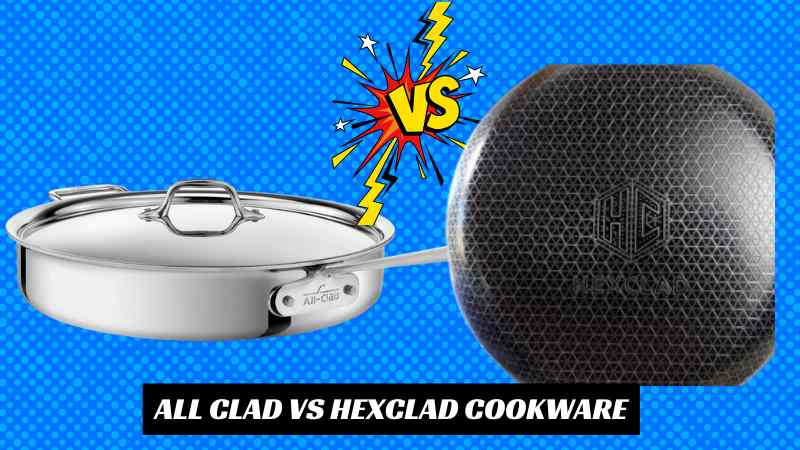
I wanted to choose between All Clad and HexClad cookware. Before choosing one, I had confusion in my mind. I often ask myself: is HexClad made by All-Clad? After owning both brands, I now know that HexClad and All-Clad are different companies. They are two rival brands.
All-Clad is owned by Groupe SEB. It is made in the USA. And, HexClad is also a U.S. brand. The brand was set up in 2016 with chef Gordon Ramsay. But HexClad pans are made in China.
- All-Clad D3: Made in USA. Pure steel, no coat. Fast 3-ply heat. Costs $130. Life care. Check Price On Amazon
- All-Clad D5: Made in USA. Pure steel, no coat. Even 5-ply heat. Costs $160. Life care. Check Price On Amazon
- HexClad Hybrid: Made in China. Steel grid with nonstick coat. 3-ply core. Costs $120. Life care. Check Price On Amazon
All-Clad vs HexClad Cookware Comparison
I cooked dozens of meals with my All-Clad D3, D5, and HexClad side by side. I tested boiling speed, searing, heat retention, eggs, oven safety, cleanup, and more. Here is what I found.
Heat Distribution and Performance
| Feature / Test | All-Clad D3 | All-Clad D5 | HexClad Hybrid |
|---|---|---|---|
| Core Construction | 3-Ply (Aluminum Core) | 5-Ply (Dual Aluminum Core) | 3-Ply Tri-Ply (Aluminum Core) |
| Time to Boil (2 Cups Water) | 2 min 50 sec | 3 min 10 sec | 2 min 30 sec (Fastest) |
| Heat Control & Response | Very responsive to flame adjustments | Maximum evenness; prevents hot spots | Heats fast; requires careful monitoring |
| Fond Development & Pan Sauces | Superior (Full smooth steel contact) | Superior (Full smooth steel contact) | Minimal (Nonstick valleys reduce fond) |
| Best Cooktop Match | Gas & Electric burners | Glass tops & Induction ranges | All cooktops (Great for fast cooking) |
Winner: All-Clad D5 wins for high heat sear. All-Clad D3 wins for fast stove control. HexClad Hybrid wins for soft food like eggs.
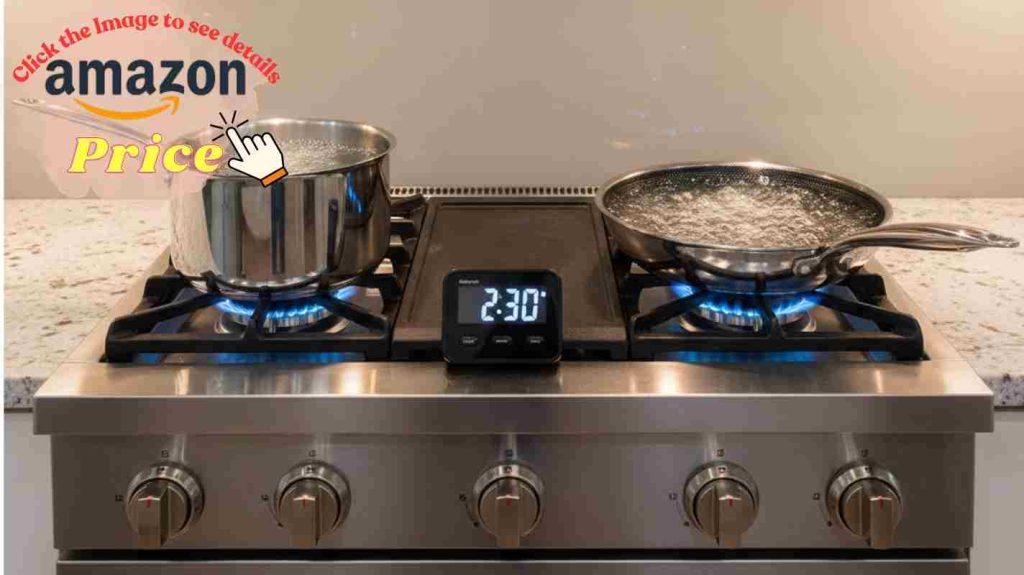
I set HexClad and All-Clad on my stove side by side. I wanted to see which pan heats best. I poured two cups of cold water in each pan. I turned my stove on high at once.
HexClad was fast to boil water. It boiled in two minutes and thirty seconds. On the other hand, my All-Clad D3 pan took two minutes and fifty seconds. And my All-Clad D5 pan took 3 minutes 10 seconds. Overall, my HexClad pan was faster than All-Clad D3 nd D5. The HexClad is faster because it has a hot core. The hot core in HexClad saves time on fast meals.
Next, I seared meat to evaluate overall heat distribution and pan sauce potential. During my testing, a noticeable contrast emerged between All-Clad and HexClad. I saw All-Clad’s smooth stainless steel surface build up a rich layer of deep brown. Also, it caramelized bits across the base of the pan. What we refer to as fond. I love the best condition of fond. To make the fond properly. It requires reliable, even heat spread on uncoated steel. My All-Clad D3 and D5 provided the perfect foundation for deglazing. So, I can create a flavor-packed pan sauce. The searing is so good because of the layers. For example, All-Clad D3 has three layers with a fast core. And D5 has five layers with extra steel to stop hot spots. These layers help the pan to distribute heat across the pan.
I saw my HexClad lacked smooth steel. We know that making Good fond needs top heat distribution on smooth steel. If I can make good fond, then I can build a rich pan sauce in the pan. But HexClad is not good at top heat distribution. The pan does not have smooth steel. Its nonstick valleys leave me less fond for sauce. Even though HexClad uses three layers under steel peaks, just like All-Clad D3. But the lack of smooth steel causes them poor searing.
Cooking Surface Material and Design
| Feature / Design Aspect | All-Clad Stainless Steel | All-Clad HA1 Nonstick | HexClad Hybrid |
|---|---|---|---|
| Surface Topography | 100% Smooth Polished Steel | Smooth Hard-Anodized PTFE | Honeycomb Steel Peaks + Valleys |
| Steel Surface Contact Ratio | 100% Full Steel Contact | 0% Steel Contact | ~30% Steel Contact (70% Nonstick) |
| Searing & Crust Quality | Superior Golden-Brown Crust | Moderate Browning | Good Browning (Better than traditional) |
| Metal Utensil Safety | Yes (Scratches are visual only) | No (Scratches ruin coating) | Yes (Steel peaks shield nonstick) |
| Celebrity & Pro Use | Standard in Commercial Kitchens | Home Kitchen Daily Use | Endorsed by Chef Gordon Ramsay |
Winner: All-Clad D5 wins with five layers. It is strong. All-Clad D3 takes second place with three layers. It cooks fast. HexClad Hybrid comes third. It has a nonstick coat. It is smooth.
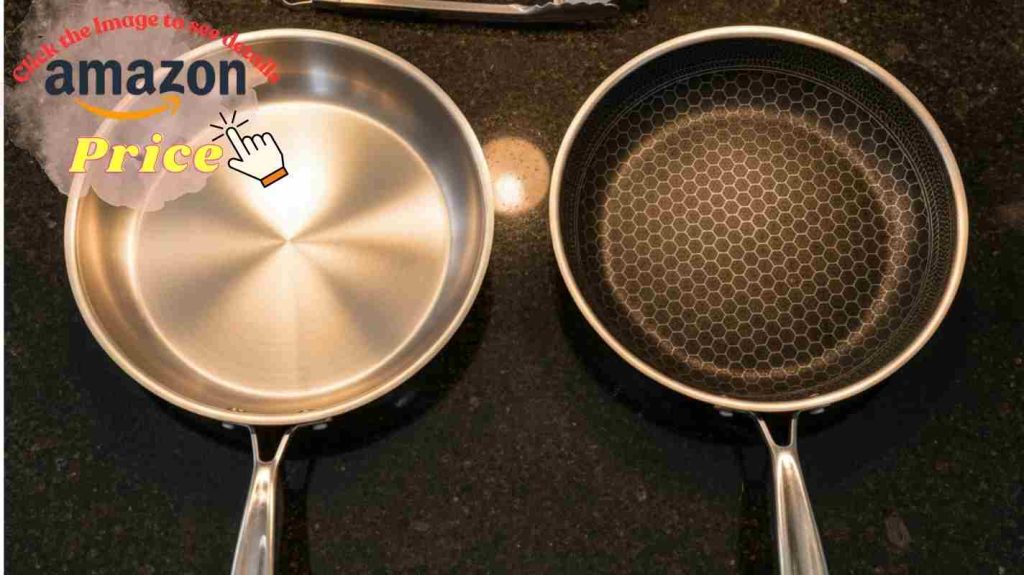
Running my fingers across both cooking surfaces highlights a fundamental difference in design. The All-Clad pan features a seamless, completely smooth stainless steel surface. HexClad, on the other hand, presents a distinct textured grid where raised steel “peaks” sit above dark nonstick “valleys”. I saw stainless steel accounting for only about 30 percent of the total surface area.
To see how this design impacts cooking, I seared steaks in HexClad and All-Clad pans again. The All-Clad delivered a deep, rich brown crust because its solid steel surface maintains direct contact across the entire piece of meat. HexClad seared well, but produced a lighter, tan-colored crust. The meat primarily makes contact with the raised steel dots rather than a solid sheet of hot metal.
One thing I love about HexClad is how effortlessly delicate foods slide off HexClad’s nonstick surface. It makes everyday cooking a breeze. But when it comes to high-heat, heavy-duty searing. There is nothing that beats the reliable performance of traditional smooth stainless steel.
In terms of durability, both HexClad and All-Clad handle metal utensils without issue. HexClad’s raised steel matrix acts as an armor grid. It protects the lower nonstick coating from fork tips and metal spatulas. On the other side, All-Clad’s solid stainless steel construction is naturally tough enough to take a beating from any kitchen pan.
Heat Retention and Recovery
| Retention & Recovery Factor | All-Clad D3 | All-Clad D5 | HexClad Hybrid |
|---|---|---|---|
| Temp After 5 Min Off Heat | 111.6°F | 114.2°F | 120.7°F (Higher static hold) |
| Temp After 10 Min Off Heat | 100.9°F | 102.1°F | 102.4°F |
| Recovery After Cold Food | Fast thermal recovery | Superior thermal mass hold | Temperature drops under heavy load |
| Back-to-Back Batch Searing | Golden crust on all batches | Unbeatable crust consistency | Lighter browning on second batch |
| Ideal Cooking Style | Daily searing & versatile cooks | Heavy-duty & multi-item meals | Quick single-item cooking |
Winner: All-Clad D5 wins to hold heat long. All-Clad D3 gets hot fast again. It heats back up in a flash. HexClad Hybrid drops heat under cold food.
I have done an experiment to see how All-Clad D3, D5, and HexClad pans hold heat off the flame. I boiled water in each pan and turned off my stove. I checked the water heat at five and ten min.
At five min off heat, HexClad read 120 degrees. My All-Clad D3 pan read 111 degrees. And my All-Clad D5 read 114.2°F. My HexClad held hot water warm while sitting still on my stove. But when I reduced the heat, the HexClad was not able to hold the heat and got cold quickly. On the other hand, All-Clad held the heat longer than HexClad. It lowered the heat very slowly.
I boiled water again to sear meat. Next, I seared three steaks on my HexClad and All-Clad D3, D5 in the hot water. When I left cold meat in the pans, the HexClad boiled water heat dropped faster. But both D3 and D5 of All-Clad still produced heat faster and gave the steak a deep crust.
The HexClad steak did not even brown well. After the pan lost heat under the cold meat. Then I needed time to recover heat well.
All-Clad holds heat best for batch cooks. Especially, the All-Clad D5 has five steel layers that hold heat long. If I cook large meals in batches, the strong steel of D5 keeps its heat under load. I like to pick steel like All-Clad D5 for big meat cuts.
Non-Stick Performance and Longevity
| Performance Factor | All-Clad Stainless Steel | All-Clad HA1 Nonstick | HexClad Hybrid |
|---|---|---|---|
| Egg Release (Low Oil Test) | Sticks without proper oil and preheat | Slides off effortlessly with zero oil | Slides off easily with a dab of butter |
| Metal Utensil Safety | 100% Safe (Scratches are visual only) | Not Safe (Metal tools scratch coating) | 100% Safe (Steel peaks protect valleys) |
| Expected Total Lifespan | 30+ Years (Heirloom quality) | 3–5 Years (Typical nonstick life) | 5–7 Years (Gradual wear on nonstick) |
| Long-Term Performance | No performance loss over decades | Gradual loss of smooth coating | Gradual wear in nonstick valleys |
| Ideal Cook Profile | Cooks seeking lifetime value | Cooks wanting quick egg release | Busy cooks wanting hybrid ease |
Winner: HexClad Hybrid wins for nonstick food slide. Eggs slide right off the pan. All-Clad D3 and All-Clad D5 tie for second. You must add oil to stop stick.
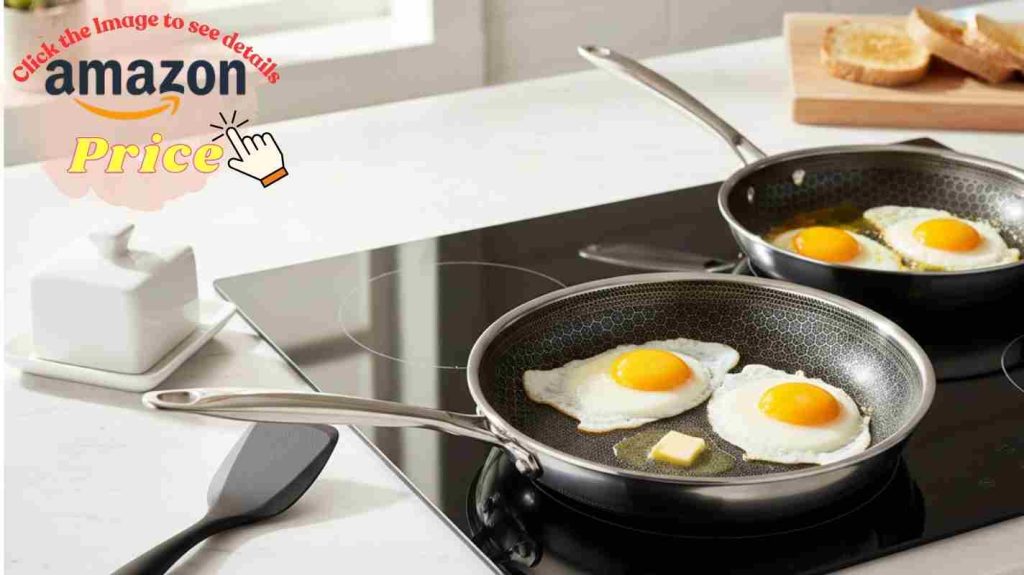
Next, I buy an All-Clad HA1 nonstick pan to fry eggs and compare with HexClad. I cracked fresh eggs into each HexClad and All-Clad HA1 pan to test stick ease. I wanted to see how long these pan coats last. Eggs slid off HexClad with just a bit of butter.
Next, I tried my All-Clad HA1 nonstick pan. Eggs slid off it with no oil at all! But I must have had to use wood tools on HA1 pans. Metal forks will scratch and ruin my HA1 coat.
HexClad takes metal tools with no fear of harm. Steel peaks guard the nonstick spots from scratch marks. That may give my HexClad about five to seven years of life.
My All-Clad HA1 may last three to five years before it wears down. But my pure All-Clad (D3, D5) steel has no coat to wear out. I am sure it may last thirty years or more in my home.
If I cook eggs each day, HexClad gives me fast and good service. But if I want a pan for life and smooth steel, All-Clad is my winner.
Oven Safety
| Oven & Broiler Factor | All-Clad Stainless Steel | All-Clad HA1 Nonstick | HexClad Hybrid |
|---|---|---|---|
| Max Oven Temperature | 600°F (Highest in class) | 500°F (Standard nonstick limit) | 500°F (Hybrid limit) |
| Broiler Safety | 100% Safe (Direct high heat) | Not Safe (Heat degrades coating) | Not Safe (Direct flame ruins nonstick) |
| Lid Oven Safety | Remove lid (Steel can warp at high heat) | Remove lid (Glass safe only to 350°F) | Remove lid (Glass safe only to 350°F) |
| Finishing Thick Meats | Perfect for high-temp oven finishing | Good for moderate roasting (<500°F) | Good for moderate roasting (<500°F) |
| Best Oven Use Case | Broiling, high searing, heavy baking | Everyday baking & gentle roasting | Everyday baking & quick roasts |
Winner: All-Clad D3 and All-Clad D5 win in hot ovens. They take top heat with ease. They stand up to big heat. HexClad Hybrid stops at lower heat.
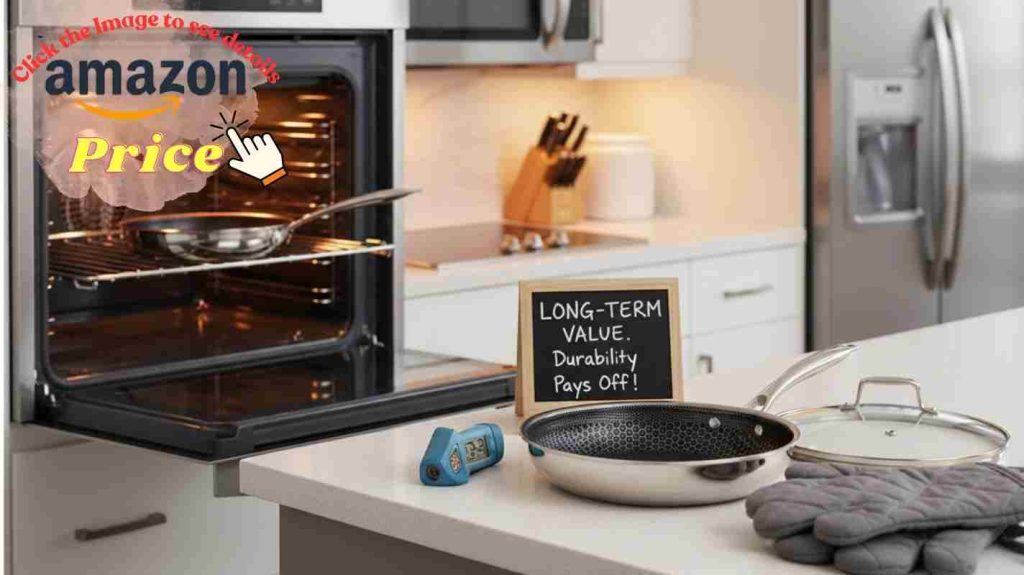
This time I wanted to see how much heat All-Clad and HexClad pans hold up in a hot oven. I seared meat on the stove on high heat. After I finished giving heat.
My HexClad and HA1 nonstick pans cap out at five hundred degrees. If my stove heats the pan past 500°F, I see the nonstick coating start to damage. The nonstick coating will permanently ruin and release toxic fumes. So, I did not apply heat after reaching 500 degrees.
On the other hand, the All-Clad pans are made of pure steel. Its steel takes heat up to six hundred degrees. My pure stainless steel All-Clad pan can safely absorb much higher levels of applied heat (up to 600°F). It did not do any damage until reaching 600 degrees. That extra heat room (100 degrees) between (Hexclad, All-Clad HA1) and All-Clad gives pure steel a big win. Pure steel is the only pan safe under a hot broiler.
Let me share some of my experience with you. I had broken the lids made of Glass in my test. I put glass lids in a hot oven past three hundred fifty degrees. Glass has broken in high heat. I had steel lids too. I saw it bend as well.
After that, I take all lids off before I put a pan in a hot oven. This is the only way I can keep my lids safe. Lids are very important to me. It guards my food from harm.
Handle Comfort and Design
| Handle & Design Factor | All-Clad Stainless Steel | HexClad Hybrid |
|---|---|---|
| Handle Shape & Ergonomics | Concave U-channel straight handle (Prevents twisting, can dig into palms) | Round, ergonomic handle (Comfortable, smooth palm fit) |
| Pour Control & Grip Security | Maximum pour leverage and anti-rotational grip control | Easy maneuverability for flipping, can slip with wet hands |
| Stovetop Heat Transfer | Warms near pan base; requires oven mitt during long sears | Hollow stay-cool design; resists stovetop heat transfer |
| Rivet Construction & Strength | Heavy-duty dual stainless steel rivets (Permanently secured) | Heavy-duty dual stainless steel rivets (Permanently secured) |
| Weight Balance & Wrist Strain | Handle-heavy pro feel; provides strong leverage | Center-balanced weight distribution; gentle on wrists |
Winner: HexClad Hybrid wins for a soft grip. It feels good in hand. All-Clad D3 and All-Clad D5 tie for second place. They have a firm pro grip.
I held All-Clad and HexClad pan handles side by side in my cook space. A good grip keeps your wrist safe when you tilt a heavy pan. Both brands use strong steel handle rivets.
All-Clad uses a deep cut straight handle. That deep groove keeps the pan from turning when you pour hot food. But the sharp steel edge can dig into your hand.
HexClad uses a smooth round handle. It feels soft in your hand and fits your palm well. It stays cool on the stove top during long cooks.
I found that All-Clad handles get warm near the pan base fast. I need a cloth mitt when I sear food at high heat. HexClad stays cool much longer compared to All-Clad.
If I want maximum pour control, All-Clad gives me pro cooks’ enjoyment. If I want hand comfort and a soft grip, my HexClad wins any day.
Cleaning and Maintenance
| Cleaning & Care Factor | All-Clad Stainless Steel | All-Clad HA1 Nonstick | HexClad Hybrid |
|---|---|---|---|
| Daily Cleanup Speed | 5–10 min (Requires soaking/scrubbing) | 1–2 min (Soft sponge wipe) | Under 1 min (30-second wipe clean) |
| First-Time Seasoning Needed? | No (Proper preheat & oil during cook) | No (Wash with warm soap water) | Yes (Heat with oil on low for 2–3 min) |
| Dishwasher Safety | Hand wash best (Avoid edge corrosion) | Hand wash best (Extends nonstick life) | Yes (Dishwasher safe per brand) |
| Thermal Shock Protection | Avoid cold water when hot (Prevents warp) | Avoid cold water when hot (Prevents warp) | Avoid cold water when hot (Prevents warp) |
| Stain & Care Tools | Bar Keeper’s Friend restores shine | Mild dish soap only (No abrasives) | Baking soda & vinegar for tough spots |
Winner: HexClad Hybrid wins for easy wash. Food wipes off fast in the sink. All-Clad D3 and All-Clad D5 tie for second place. They take more scrub work..
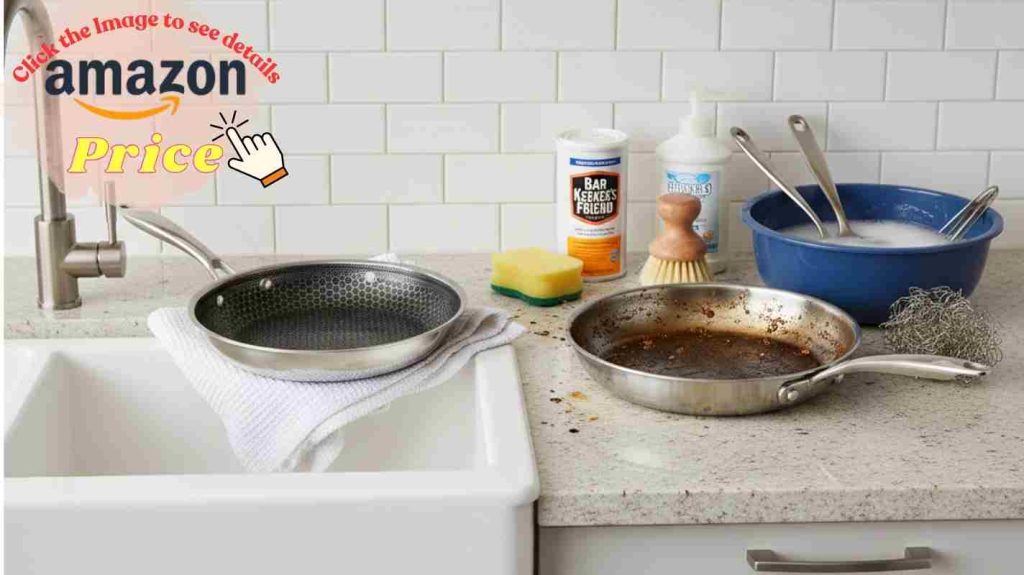
I clean up the HexClad and All-Clad pans after cooking fish to see how easily they are to clean up. Actually, cleaning up after a meal can sometimes make me annoyed. I have to do a little hard work to make them clean nicely. But I want to see the result. First, I cleaned my HexClad with a soft cloth. My HexClad wiped clean in thirty sec. I was too quick. I loved it because I did not have to clean for a long time.
But my All-Clad steel pan took ten min of hard scrub work. It was too long. First, I soaked it in hot water with powder soap. That helped lift burnt bits from the steel base. Pure steel needs no oil season step.
On the other hand, HexClad needs an oil-seasoning step to clean it better. First, I do wash it with soap and warm water. Next, I heat it on low with a drop of oil. Then I started to wipe my HexClad to make it as clean as possible. This is the step that helps me set up the grid.
I learned a lesson from my pans when I was cleaning. I put a hot pan in cold water. The cold water shocks my pans’ hot metal. The shock has warped my pan base over time.
The good news is HexClad is fine in the dishwasher. But I wash the pan with my hand for best care. All-Clad had a court case over machine care. Machine soap can wear down raw metal edges. So, I always prefer hand wash for top safety.
Overall Durability and Lifespan
| Durability Factor | All-Clad Stainless Steel | All-Clad HA1 Nonstick | HexClad Hybrid |
|---|---|---|---|
| Made In / Origin | Canonsburg, Pennsylvania, USA | Designed in USA, Made in China | Designed in USA, Made in China |
| Expected Total Lifespan | 30+ Years (Lifetime warranty) | 3–5 Years (Coating degrades) | 5–10 Years (Valleys wear down) |
| Performance Loss Over Time | None (Cooks like new for decades) | Gradual loss of nonstick coating | Slow decline in nonstick valleys |
| Heirloom Quality | Yes (Can pass down to children) | No (Replace when scratched) | No (Replace when nonstick wears) |
| Surface Scratch Endurance | Unbeatable (100% solid steel surface) | Low (Must avoid metal utensils) | High (Steel peaks shield valleys) |
Winner: All-Clad D3 and All-Clad D5 tie for the top win. They last a life time. HexClad Hybrid takes second place. Its coat wears down over years.
I looked at the box of HexClad and All-Clad to see where they are made. I saw that my All-Clad steel pan is made in Pennsylvania, USA.
Craftsmen build All-Clad from strong steel on US soil. As a chef, I know that the All-Clad steel pan can last thirty years or even more. Pure steel has that longevity. I’m using it now. And in the future, I can pass it down to my kids like a prized family gift.
I also look at the HexClad box. The HexClad is drawn in California, USA, but made in China. It has steel peaks. The steel peaks help guard the dark nonstick base. But the problem is that those nonstick valleys wear down after five to ten years of daily cooking use.
I have a neighbor. She is very friendly to me. She has used an All-Clad steel pan for fifteen years. After a long time using it, I saw it has a few heat marks now. But she still can cook meals like a brand-new pan. It has no top coat to wear off like HexClad.
Price and Long-Term Value
| Price & Value Factor | All-Clad Stainless Steel (D3/D5) | HexClad Hybrid |
|---|---|---|
| Average Upfront Price (10″ Pan) | $130 – $180 (Higher initial investment) | $120 – $150 (Moderate initial investment) |
| Expected Product Lifespan | Lifetime / Decades (Indestructible steel) | 3 to 5 Years (Nonstick surface wears out) |
| 10-Year Replacement Need | 0 Replacements ($0 additional cost) | 1 – 2 Replacements (~$120-$240 extra) |
| Real Cost Per Year (10 Years) | ~$13 – $18 per year (Decreases over time) | ~$25 – $35 per year (Re-purchase cycle) |
| Used Resale Value | High (Retains 50%-70% original value) | Low (Worn nonstick drops secondary value) |
| Long-Term Heirloom Value | True heirloom (Pass down to generations) | Disposable nonstick (Periodic replacement) |
Winner: All-Clad D3 wins for long value. All-Clad D5 takes second for pure steel. It lasts for life. HexClad Hybrid costs less cash now. But it wears out fast.
I looked at the price tag of All-Clad and HexClad when I was about to buy them. And I also recently checked them to see the latest price. Because the price value of both pan lines changes over time. I always prefer buying good pans for my home. My first interest was All-Clad. Because the All-Clad is made of steel. Even though the steel pan costs more cash upfront. But the longevity it has may last for my whole life.
When I was buying HexClad, I had to pay less than All-Clad. HexClad pans cost less at first in set deals. But it’s not ideal for long-term use. The nonstick coats of HexClad may wear down in three to five years. Before buying, I must have to keep in mind that I may have to buy a new pan when the coat wears off.
So, my top choice is All-Clad. Its steel never loses its shine. I buy it once in a lifetime, and I may pass it down to my kids. That longevity of All-Clad makes the cost per year very low over time
Even after buying All-Clad. I can resell it after using many more years. But HexClad pans lose value after a few years. Once the nonstick layer wears thin, no one wants to buy the resell HexClad pan.
So, my suggestion to you is that if you want a pan that lasts forever, All-Clad gives true value. HexClad is nice for quick food now. But pure steel of All-Clad wins over the long years in your kitchen.
Warranty and Support
| Warranty & Support Factor | All-Clad Stainless Steel | HexClad Hybrid |
|---|---|---|
| Warranty Type | Limited Lifetime Warranty (Original owner) | Lifetime Warranty (Original owner) |
| What Is Covered | Material defects, manufacturing flaws, handle rivets | Coating peeling, nonstick loss, hot spots, warping |
| Key Exclusions | Dishwasher corrosion, scratches, thermal shock, commercial use | Normal surface wear, food burns, commercial kitchen use |
| Claim Method & Proof | Mail physical pan to service shop for manual inspection | Submit digital photos/videos via online web portal |
| Customer Return Costs | Buyer pays upfront return shipping (~$20–$30) | Free replacement shipping if video claim is approved |
Winner: HexClad Hybrid wins for fast web claims. All-Clad D3 and All-Clad D5 tie for second. You pay mail fees to send them back.
I was talking with the shopkeeper in the Amazon store about the warranty card of All-Clad and HexClad when I was paying money in the shop. Both brands promise me lifetime care service. There is a story behind the scenes.
All-Clad provides me with lifetime warranty service. But their warranty is only applicable for manufacturing defects and structural metal flaws. Their warranty explicitly excludes daily wear and tear, heat discoloration, and rust caused by dishwasher detergents. If your All-Clad has a flaw, fault, or physical problem. You can replace your All-Clad pan. To file a claim, you need to contact the All-Clad warranty service provider. They will ask for your service requirements. You have to mail the physical pan back to their facility for inspection at your own expense. It may cost $30 or more in shipping fees.
HexClad provides me a lifetime warranty too. But they do not provide a warranty for coating peeling and nonstick performance loss. They only provide the warranty if the issue is caused by a manufacturing defect. But I like their warranty process. The warranty claim process of HexClad is noticeably faster and entirely digital. You just need to submit photos and video proof directly through the HexClad support page. Their support is excellent. They will replace your pan as fast as they can.
Remember: While All-Clad and HexClad policies safeguard against major factory flaws. Neither company will replace a pan for minor cosmetic scratches or burnt-on food.
Health and Safety
| Health & Safety Factor | All-Clad Stainless Steel | All-Clad HA1 Nonstick | HexClad Hybrid |
|---|---|---|---|
| Chemical Coating (PTFE / PFAS) | 100% Free (Zero nonstick chemicals) | Contains PTFE (PFOA-free) | Contains PTFE in nonstick valleys |
| Acidic Food Safety (Tomatoes/Wine) | 100% Non-reactive 18/10 stainless steel | Safe for acidic foods under 500°F | Safe for acidic foods under 500°F |
| Max Safe Temperature | 600°F (Broiler safe) | 500°F (Not broiler safe) | 500°F (Not broiler safe) |
| Marketing & Class-Action Lawsuits | No toxicity or chemical lawsuits | Standard nonstick disclosures | Faced lawsuits over “non-toxic” claims |
| Overall Toxicity Risk | Zero Risk (Inert metal surface) | Low (Risk only if overheated >500°F) | Low (Risk only if overheated >500°F) |
Winner: All-Clad D3 and All-Clad D5 win with clean steel. They have no coat at all. HexClad Hybrid takes second place. It is safe at low heat.
Health and safety are the first priority for my family and me. So, I look at HexClad and All-Clad’s bodies that touch my food when I’m cooking. As always, I see that All-Clad has pure steel and has no top coat at all.
My All-Clad steel is clean and safe from chemical coats. It has no bad chemicals when I cook tomato sauce. Even at high heat, my All-Clad Pure steel stays safe on my stove.
On the other hand, my HexClad uses a dark grid with nonstick valleys. Those dark spots use PTFE to help food slide off. We know that the PTFE is safe under five hundred degrees. I never heat my pan above 500 degrees. Anything above 500 degrees started to damage my pan coating. Also, my food is not safe for eating.
My suggestion is that if you want 100% health safety, you should go for an All-Clad steel pan. But if you do not apply too much heat to the pan and use it normally, you may choose HexClad.
My Personal Cookware Story
Let me tell you about my story of buying All-Clad and HexClad. I bought my first All-Clad D3 skillet from Amazon about two years ago. When the box arrived, I ripped it open like a kid on Christmas. The first thing I noticed was the weight. This 12-inch pan felt solid and heavy. It was like holding a piece of restaurant equipment. I had never experienced this kind of premium pan before.
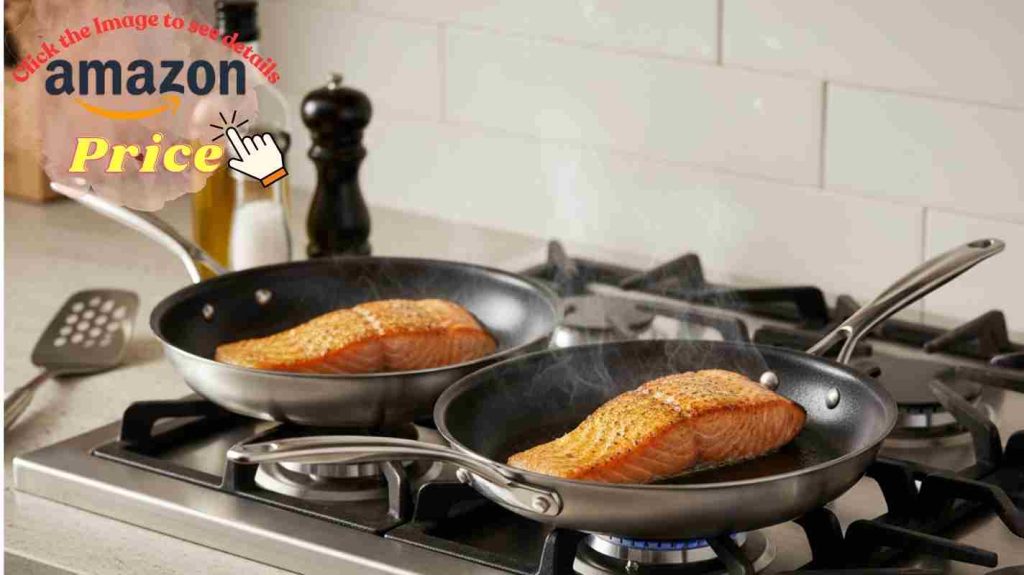
That night, I made pan-seared salmon for the first time using my D3 pan. I preheated the pan on medium for about three minutes. Then I laid the fillet skin-side down. The sizzle was loud and even. I did not need to move the pan around hunting for hot spots like my old pan. After four minutes, I flipped it. The skin was golden and crispy. The fish was done in about ten minutes. After I finished cooking my fish, I tasted it in my dinner. The taste of the fish was like something from a nice restaurant.
I was satisfied with my All-Clad D3 pan. Later, I bought an All-Clad D5 and an HA1 non-stick. But my All-Clad D5 was not faster than my D3 pan at heating. The D5 heats up slower, and once the temperature reaches high, it can hold temperature like a tank.
I have used my All-Clad HA1 for many years. The thing I mostly notice about the HA1 non-stick is that the pan is great for eggs with almost no oil. I use the pan for frying eggs every morning before I leave my home for work.
I also bought HexClad because I was inspired by Gordon Ramsay. Gordon Ramsay called the HexClad pan the Rolls-Royce of pans. I was curious, and I wanted to try the pan. Then I ordered my HexClad from Amazon. After two days, I received my pan at my home. When I unboxed my HexClad pan. I saw a 12-inch pan whose design touched my heart. The design is so beautiful. The cooking surface of HexClad looks like a honeycomb. The pan has tiny steel hexagons that stick up like little hills. Between those hills, I saw there are non-stick valleys. A laser machine carves this pattern into the steel. What makes the pan so luxurious.
First, I cooked bacon with my HexClad. I gave the pan a thin coat of oil. I also did not preheat the pan for long. After cooking was done, I saw my bacon still cooked perfectly. Then I seared a thick salmon fillet, just like I did with my All-Clad. The crust came out golden and beautiful too. Those steel peaks of HexClad grip the food and give me perfect browning. I was so happy with the pan.
But there is somethings I do not like about HexClad. I tried to fry eggs without oil. I slid the eggs around the pan at first. But when I stirred harder, I saw egg bits stuck in those tiny grooves between the hexagons. Which I do not like.
My All-Clad HA1 does not dry the eggs like All-Clad. But when I clean my HexClad, I can clean it more easily than All-Clad. I can wipe clean my HexClad with warm soapy water in about thirty seconds. I do not need to soak and scrub. On the other hand, My All-Clad stainless steel needed more work after searing.
What I Like About All-Clad
- Even heat across the entire pan with zero hot spots
- Superior searing that creates deep, golden fond for pan sauces
- HA1 non-stick releases eggs and fish with almost no oil
- Multiple collections for different cooking styles (D3, D5, HA1, Copper Core)
- Stainless steel lasts 30+ years with no performance decline
- Made in the USA (stainless steel collections)
- Oven and broiler safe up to 600°F (stainless steel)
What Could Be Better About All-Clad
- Cup-shaped handles feel uncomfortable at first, especially for small hands
- Food sticks to stainless steel if you skip proper preheating
- Staining and discoloration build up over time on the cooking surface
- Hand-washing recommended to protect bonded layers and exposed edges
- Premium pricing across all collections
- All-Clad settled a class action lawsuit over dishwasher-safe claims because exposed aluminum edges can corrode
What I Like About HexClad
- Hybrid design lets you sear like steel and release food like non-stick
- Safe for metal utensils because steel peaks protect the non-stick valleys
- Cleans up in about thirty seconds with warm soapy water
- Officially dishwasher safe
- Fast heat transfer gets water boiling quickly
- New TerraBond ceramic coating is PTFE-free, PFAS-free, lead-free, and cadmium-free
- Lifetime warranty
- Gordon Ramsay endorsed
What Could Be Better About HexClad
- Eggs and delicate foods still stick without a bit of oil or butter
- Round handle can slip or rotate during heavy pours
- Non-stick coating wears down after about 5 to 7 years of regular use
- Made in China (designed in Los Angeles)
- Pans are slightly concave when cold and flatten when heated
- Older HexClad pans used PTFE coating, so check your serial number if buying secondhand
- Handle is about an inch shorter than All-Clad
- High price is hard to justify knowing the coating will eventually degrade
Which One Should You Buy?
Choose All-Clad D3 or D5 Stainless If:
- You want cookware that lasts decades, maybe even a lifetime
- You make pan sauces and want deep fond with precise heat control
- You sear steaks and want consistent browning every time
- You are willing to learn proper preheating and stainless steel technique
- You want cookware made in the USA
- You do not mind spending a few extra minutes on cleanup
Choose HexClad If:
- You want easy cleanup that takes about thirty seconds
- You cook eggs and delicate foods regularly and want minimal sticking
- You use metal utensils and want freedom to grab any tool without worry
- You like modern design and enjoy upgrading cookware every few years
- You want a pan that can sear, sauté, and do everyday cooking well
- You care about PTFE-free cooking with the new TerraBond ceramic coating
Frequently Asked Questions
Which heats faster, All-Clad or HexClad?
HexClad boils water about 25 seconds faster. But All-Clad spreads heat more evenly. Use HexClad for quick boiling and All-Clad for slow, even searing.
Can you use metal utensils on All-Clad stainless steel?
Yes. Metal utensils are safe on All-Clad stainless steel. Scratches are cosmetic only and do not affect safety. Avoid metal on the HA1 non-stick line.
How long does All-Clad vs HexClad really last?
All-Clad stainless lasts 30+ years. HexClad lasts about 5 to 10 years before the non-stick coating wears down. For lifetime value, All-Clad stainless wins.
Is HexClad really PTFE-free now?
Yes. HexClad switched to a TerraBond ceramic coating in 2024. New pans are PTFE-free, PFAS-free, lead-free, and cadmium-free. Older pans still contain PTFE.
Is All-Clad dishwasher safe?
All-Clad recommends hand-washing their stainless steel pans. The exposed aluminum edges can corrode in dishwashers. The HA1 non-stick line is dishwasher safe but hand-washing extends its life.
Are All-Clad lids oven safe?
No. According to All-Clad, stainless steel lids can warp and glass lids can shatter in the oven. Always remove lids before placing pans in the oven.
Is HexClad made in the USA?
No. HexClad is designed in Los Angeles but manufactured in China. All-Clad stainless steel collections are made near Pittsburgh, Pennsylvania. All-Clad’s HA1 non-stick line is made in China.
Leave a Reply