

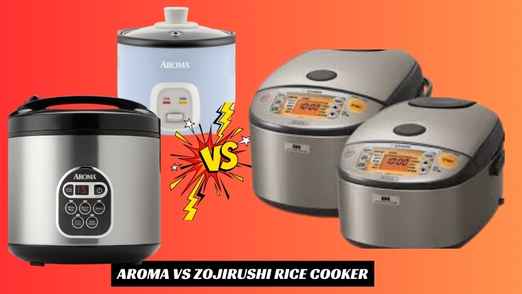
Overall Winner: Zojirushi Rice Cooker. Check Price On Amazon
Best for Budget Buyers and Beginners: Aroma Rice Cooker. Check Price On Amazon
Best for Daily Rice Lovers and Perfectionists: Zojirushi Rice Cooker. Check Price On Amazon
Aroma vs Zojirushi Rice Cooker
Aroma vs Zojirushi Rice Cooker — which one should you get? I have used both in my own kitchen. And I can tell you the choice is simpler than it looks. Let me walk you through the real differences so you can pick with confidence. I put both brands through real back-to-back tests at home. I cooked white rice, brown rice, jasmine, and sushi rice. I also tested keep-warm, steaming, and cleanup after each batch. Here is what I found in every area that matters when you are actually buying a rice cooker.

Rice Quality
| Aspect | Aroma Rice Cooker | Zojirushi Rice Cooker |
|---|---|---|
| Fluffiness | Good | Excellent |
| Even cooking | Sometimes uneven | Very even |
| Grain texture | Basic, can vary | Precise and consistent |
| Bottom layer | Can get hard | Stays soft |
| Brown rice result | Decent | Very good |
| Sushi rice | Okay | Excellent |
Zojirushi wins on rice quality.
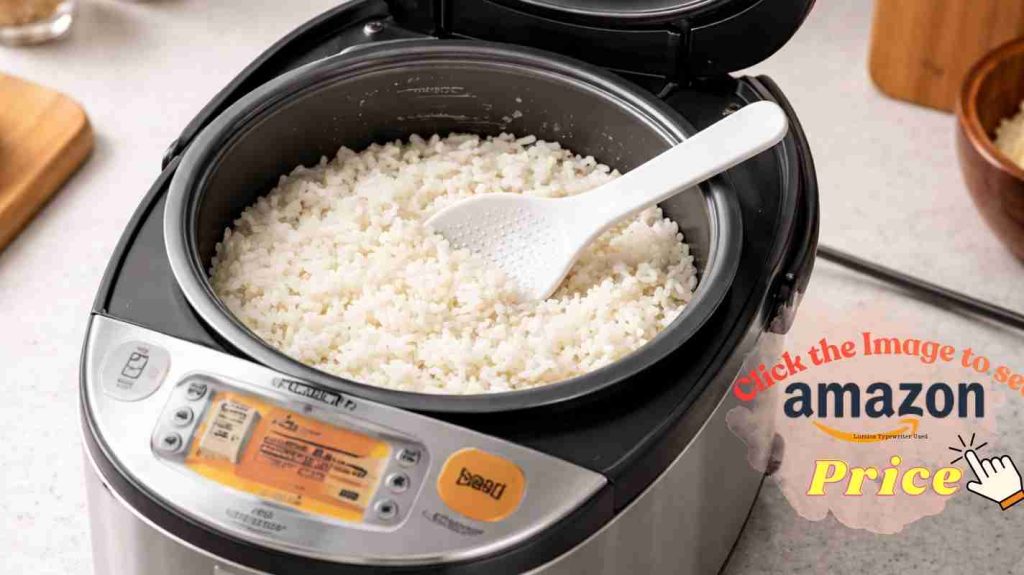
When I cooked white rice in both cookers side by side, the gap was easy to spot. The Aroma rice was soft in the middle but a bit firm and crusty at the bottom. The Zojirushi was even from top to bottom, every single time. That comes down to the induction heating system, which heats the whole pot instead of just the base. For sushi rice, Zojirushi’s dedicated preset soaks and steams the rice perfectly. The Aroma can get close, but it takes more trial and error to dial in. If rice quality is the number one thing you care about, Zojirushi wins this round easily.
Cooking Consistency
| Aspect | Aroma Rice Cooker | Zojirushi Rice Cooker |
|---|---|---|
| Day-to-day result | Can vary | Very stable |
| Handles water mistakes | Less forgiving | More forgiving |
| Adapts to rice types | Manual adjustment | Adapts automatically |
| Overcooking risk | Higher | Very low |
| Moisture retention | Okay | Excellent |
| Batch repeatability | Moderate | Very high |
Zojirushi wins on consistency.
One of the first things I noticed was how Aroma reacts to small changes. A little too much water made the rice wet. A little too little made it dry. The Zojirushi sensed the moisture in the pot and adjusted on its own. That fuzzy logic technology is what makes the difference. It acts like a built-in safety net for every batch. For busy people who just want reliable rice without thinking about it, that peace of mind is genuinely valuable.
Settings and Features
| Aspect | Aroma Rice Cooker | Zojirushi Rice Cooker |
|---|---|---|
| Core technology | Standard heating plate | Fuzzy logic, induction on NP-HCC10 |
| Rice presets | Basic (white, brown, flash) | Many (sushi, GABA, jasmine, umami) |
| Extra cooking modes | Steam, slow cook, sauté | Porridge, quick cook, texture set |
| Delay timer | Yes, up to 15 hours | Yes, on most models |
| Keep-warm mode | Basic, auto after cook | Extended, smart moisture control |
| Texture control | No | Yes (softer or firmer setting) |
Zojirushi wins on settings and features.
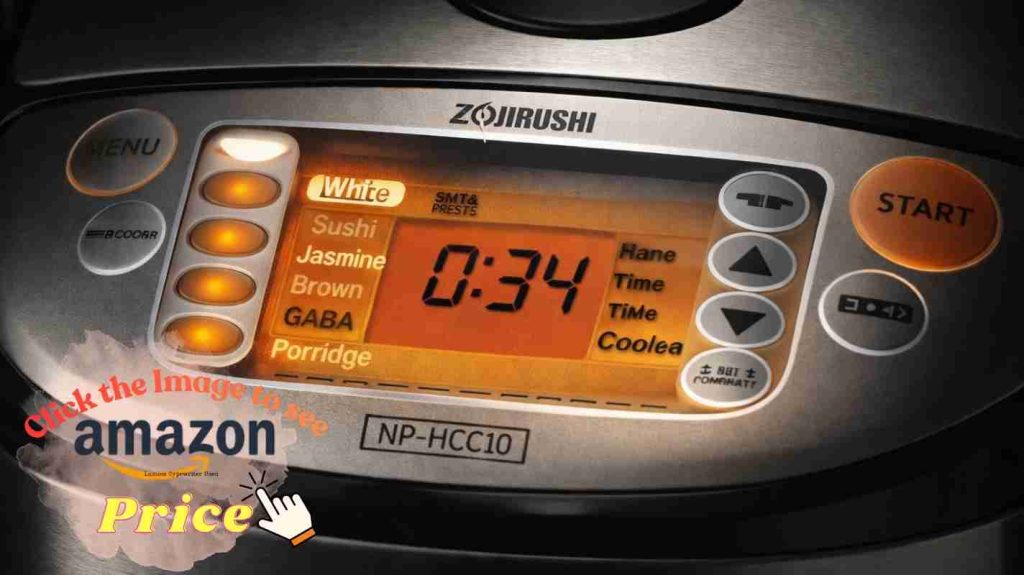
Aroma keeps things practical. You get basic presets, a solid delay timer, and on the bigger models, slow cook and steam modes. That covers most everyday needs well. Zojirushi goes much further. The NP-HCC10, for example, has a dedicated sushi mode, a GABA setting for health-focused cooking, and a texture control that lets you choose softer or firmer rice. I personally love the umami setting. It makes a real difference in how the finished rice tastes. If you like fine control over your meals, Zojirushi is hard to beat here.
Ease of Use
| Aspect | Aroma Rice Cooker | Zojirushi Rice Cooker |
|---|---|---|
| First-time setup | Very simple | Simple, but with menu steps |
| Button layout | Clear and minimal | More buttons and mode options |
| Learning curve | Very short | Moderate |
| Daily operation | One-touch style | Select mode, then start |
| Manual needed? | Rarely | Yes, at least at first |
| Best for | Total beginners | Anyone after a short learning |
Aroma wins on ease of use.
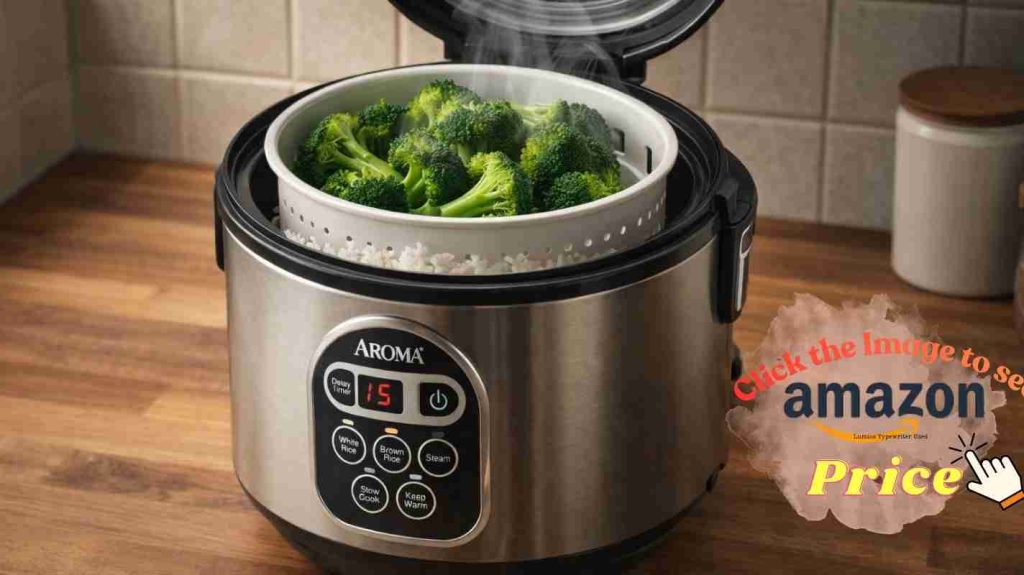
I handed an Aroma ARC-302NGBL to my younger sister. She had never used a rice cooker before. She had rice ready in 20 minutes with zero help from me. The Zojirushi NP-HCC10 took me about a week to feel fully comfortable with, mostly because of the extra presets and menu layout. But once I figured out my two or three go-to settings, it felt just as easy day to day. For total beginners, Aroma wins. But the gap closes quickly once you spend a little time with Zojirushi.
Versatility in the Kitchen
| Aspect | Aroma Rice Cooker | Zojirushi Rice Cooker |
|---|---|---|
| Rice cooking | Yes | Yes |
| Steaming veggies | Yes, with included tray | Yes, on many models |
| Slow cooking | Yes, on digital models | No |
| Soups and stews | Yes | Limited |
| Non-rice grains | Yes (quinoa, oats, grains) | Yes (oatmeal, porridge) |
| One-pot meals | Strong focus | Limited |
Aroma wins on versatility.
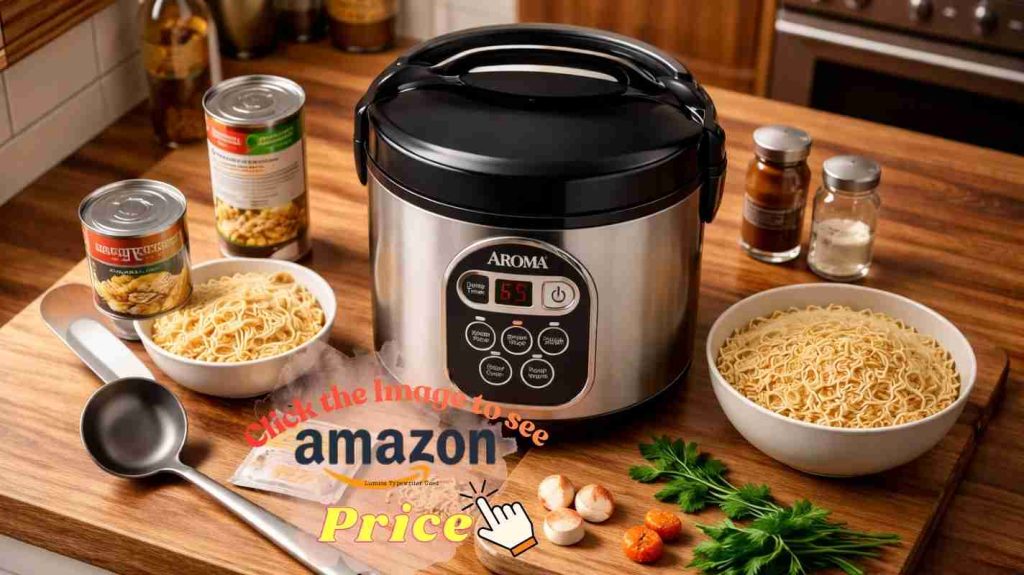
Aroma was designed to do more than rice. The ARC-150SB handles slow cooking, steaming, and one-pot meals all in one appliance. I once made a chicken and vegetable soup in it after a long workday, and it came out great. Zojirushi can handle porridge and steam on many models, but its heart is in rice. It does not try to be a multi-cooker, and it does not pretend to be one. If you want one budget appliance that handles many kitchen tasks, Aroma is the smarter pick here.
Build Quality and Durability
| Aspect | Aroma Rice Cooker | Zojirushi Rice Cooker |
|---|---|---|
| Exterior material | Mostly plastic | Metal and premium plastic |
| Inner pot quality | Non-stick, standard grade | High-grade non-stick coating |
| Lid seal | Good | Very good |
| Overall weight | Light | Heavier and sturdier |
| Long-term durability | Good for the price | Excellent, built to last years |
| Finish and design | Simple and practical | Sleek and refined |
Zojirushi wins on build quality.

You feel the difference the moment you pick them up. The Aroma feels light and practical. It does the job and looks clean on a counter. The Zojirushi feels heavier and more solid. The lid fits tighter. The inner pot has a noticeably better coating. I have used my NP-HCC10 for over two years now, and it still looks and works like new. Some Reddit users even reported using their Zojirushi for over 20 years before replacing it. If you see a rice cooker as a long-term kitchen investment, Zojirushi wins this category clearly.
Capacity and Size Options
| Size Range | Aroma Rice Cooker | Zojirushi Rice Cooker |
|---|---|---|
| Small (2-3 cup) | Yes, many options | Rare |
| Medium (5-6 cup) | Yes | Yes, most popular |
| Large (8-10 cup) | Yes | Yes |
| Dorm/studio fit | Excellent | Limited |
| Family size | Yes | Yes |
| Variety of sizes | Very wide range | More focused lineup |
Aroma wins on size variety.
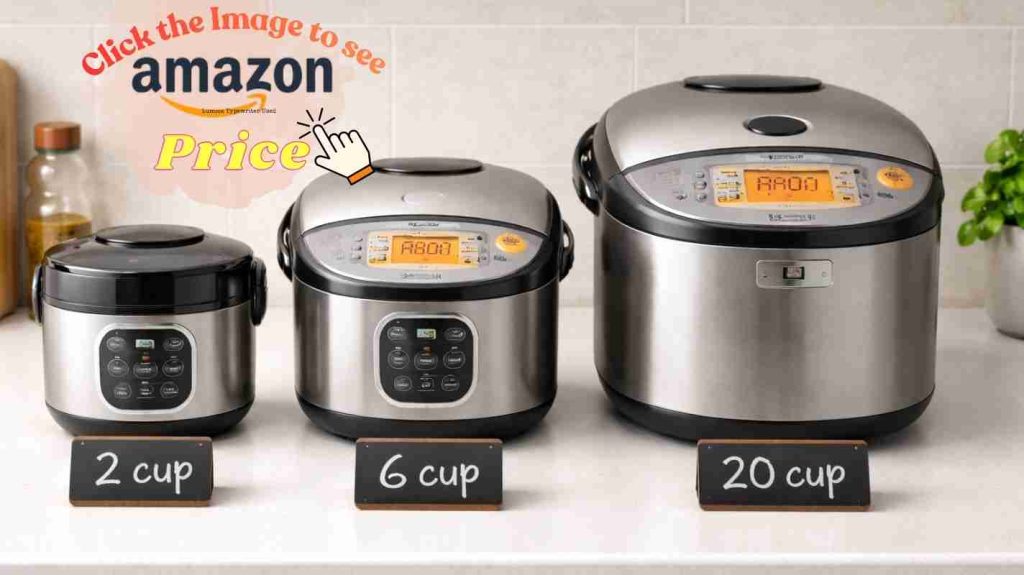
Aroma has a size for almost every living situation in the US. Got a tiny dorm room? The ARC-302NGBL holds two to four cups and fits anywhere. Need to feed a big family? Aroma’s larger models like the ARC-150SB go up to 20 cups cooked. Zojirushi tends to focus on mid-size and family-size cookers, like the popular 5.5-cup NP-HCC10. If you live alone or have a small kitchen, your Zojirushi options are more limited. Aroma gives you much more flexibility to find the right fit.
Price and Value
| Aspect | Aroma Rice Cooker | Zojirushi Rice Cooker |
|---|---|---|
| Starting price | Around $20 to $30 | Around $100 to $150 |
| Premium models | Up to around $100 | Up to $400 or more |
| Budget friendly | Yes | No |
| Value for basics | Excellent | Moderate |
| Long-term ROI | Good | Excellent for daily use |
| Best for rare use | Great choice | Hard to justify |
Aroma wins on upfront price. Zojirushi wins on long-term value for daily cooks.
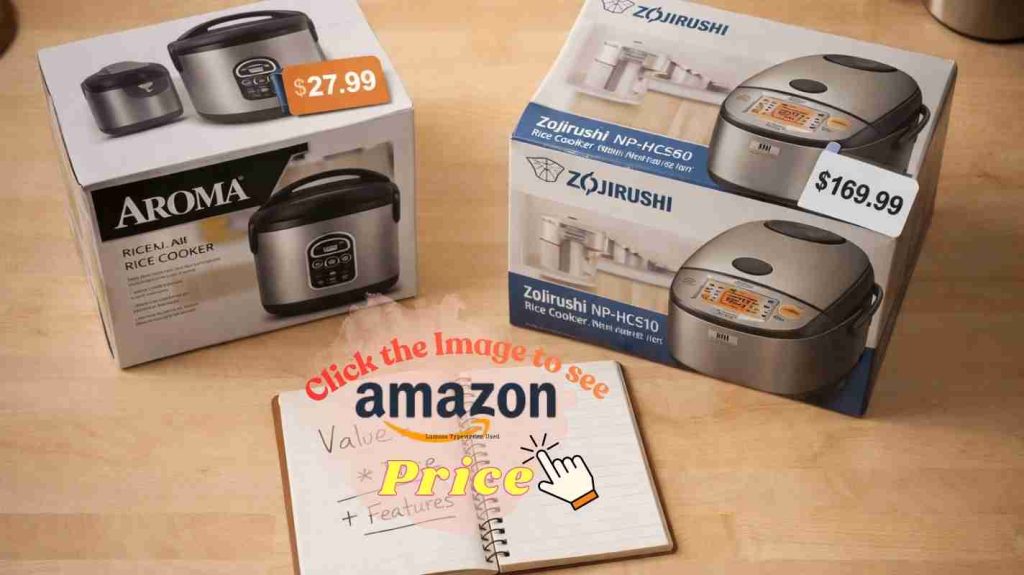
Aroma is hard to beat if you are watching your budget. A working, reliable rice cooker for under $30 is a genuinely great deal. Zojirushi asks for more upfront — anywhere from $150 to over $400 depending on the model — but that cost spreads out over years of use. If you cook rice five days a week and your Zojirushi lasts seven years, the extra cost per meal is tiny. For casual cooks, Aroma is the smart call. For daily rice eaters, Zojirushi is a long-term win.
My Aroma And Zojirushi Rice Cooker Rice Cooking Story
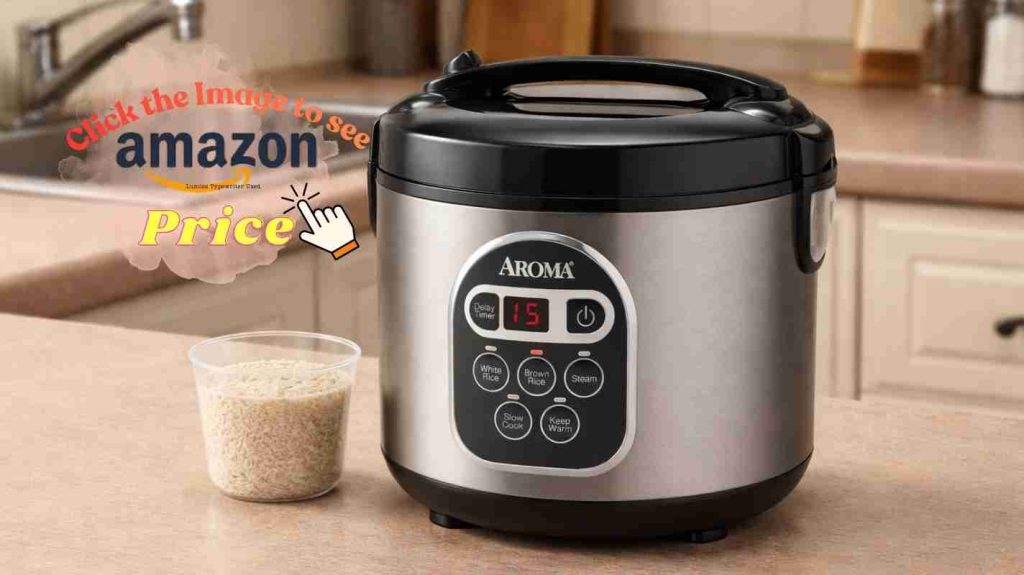
My first rice cooker was the Aroma ARC-302NGBL. I was in my first apartment. I had almost no budget. The ARC-302NGBL cost me under $30. I pressed one button and walked away. The rice came out decent. Not amazing, but totally fine for a busy weeknight. I was happy with it.
A few months in, I upgraded to the Aroma ARC-150SB. It had a steam tray and a much bigger pot. I could cook rice and steam broccoli at the same time. One pot, one meal, done. For the price, that felt incredible. I used it almost every week for family dinners.
Then everything changed at a coworker’s potluck. She brought rice made in her Zojirushi NP-HCC10. I took one bite and stopped. Every grain was soft and separate. No hard crust. No wet patches. No clumping at the bottom. It tasted like rice from a real Japanese restaurant.
I bought the NP-HCC10 a few weeks later. I tested it back to back with my Aroma. White rice, brown rice, jasmine, sushi rice — I tried them all. The Zojirushi won on texture every single time. The induction heating wraps the whole pot in even heat. That is what makes every batch so consistent.
So here is the honest truth. If you want cheap, simple, and flexible cooking, Aroma is a great choice. It works well for students, first apartments, and busy families. But if you eat rice every single day, or you cook sushi and brown rice often, Zojirushi is worth the investment. Once you taste the difference, you will not want to go back.
What I Like
- Aroma starts at around $20 to $30, which fits almost any US budget
- Aroma’s one-touch button means zero learning curve for new cooks
- Aroma’s digital models double as a slow cooker, steamer, and grain cooker
- Aroma’s ARC-150SB has a 15-hour delay timer for meal prep convenience
- Zojirushi delivers fluffy, even rice with every single batch
- Zojirushi has smart presets for jasmine, sushi, brown, GABA, and porridge
- Zojirushi’s extended keep-warm holds rice soft for hours without drying it out
- Zojirushi lets you pick your texture — softer or firmer — based on what you like
What Could Be Better
- Aroma’s basic models can scorch or harden the bottom layer of rice
- Aroma’s build feels light and plastic-heavy at lower price points
- Aroma’s keep-warm can dry out rice edges on longer holds
- Zojirushi costs significantly more, starting around $150 and going up to $400+
- Zojirushi’s preset menu takes a little time to fully learn
- Zojirushi lacks very small sizes for dorm rooms or solo studio apartments

FAQ
Is the Aroma rice cooker good enough for daily use?
Yes, Aroma handles daily white rice well and is very affordable. It works great for simple everyday cooking. Learn more about which Aroma model fits your household best.
Why is Zojirushi so much more expensive than Aroma?
Zojirushi uses induction heating and fuzzy logic tech with premium materials. That raises the cost but also the rice quality and lifespan. Learn more about what drives the Zojirushi price.
Which is better for sushi rice — Aroma or Zojirushi?
Zojirushi is far better for sushi rice. It has a dedicated preset that nails moisture and stickiness every time. Learn more about how Zojirushi handles different rice types.
Can Aroma rice cookers do more than cook rice?
Yes, many Aroma digital models can slow cook, steam vegetables, and handle grains and soups. Learn more about Aroma’s multi-cooker features and which models include them.
Is Zojirushi worth it if I only cook rice once or twice a week?
Probably not. If you cook rice rarely, Aroma gives you much better value for the price. Learn more about when upgrading to Zojirushi actually makes financial sense.


Leave a Reply