

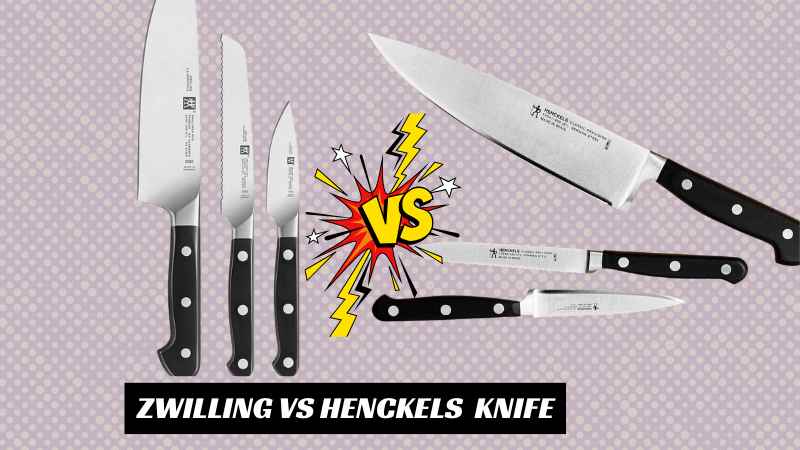
Are you stuck choosing a knife between Zwilling and Henckels? Both knife brands share deep German roots. Their red box logos look a lot alike. I tested Zwilling and Henckels knives on my board for months. Zwilling makes thick, sharp steel made to last for years. Henckels makes light knives for quick meals at a low price.
- Winner: Zwilling Pro 8-Inch Chef’s Knife
- Best for Serious Home Cooks & Longevity: Zwilling Pro 8-Inch Chef’s Knife
- Best for Beginners & Budget Cooks: Henckels Classic 8-Inch Chef’s Knife
Zwilling vs Henckels German Knife
Zwilling is the top-tier German knife line. It sports two little men on the red logo. On the flip side, Henckels shows just one man. That single man marks the brand built for low cost. Let’s talk in-depth:
1. Construction & Manufacturing
| Feature | Zwilling Pro | Henckels Classic | Henckels Solution |
| Blade Type | Forged (SIGMAFORGE) | Forged | Stamped |
| Country of Origin | Solingen, Germany | Spain | China / India |
| Ice-Hardening | Yes (FRIODUR -70°C) | No | No |
| Tang Type | Full tang | Full tang | Partial tang |
| Bolster Design | Curved half-bolster | Traditional full bolster | No bolster |
| Single-Piece Build | Yes | Yes | No |
- Overall Winner: Zwilling Pro (Wins for German single-piece forging, FRIODUR ice-hardening, and pinch-grip curved bolster).
- Budget Forged Winner: Henckels Classic (Wins for sturdy full-tang Spanish forging at half the cost).
- Lightweight Pick: Henckels Solution (Wins for featherlight stamped handling and ultra-low cost).
I held all three knives. Their builds felt so clear. Zwilling Pro is forged from hot steel in Germany. Henckels Classic is forged in Spain. Henckels Solution is cut from a flat steel sheet.
I pressed each spine flat on my cutting board. Zwilling Pro uses an ice freeze step to stay rock hard. The blade did not flex at all. Henckels Classic stayed firm, but Henckels Solution bent with ease.
The neck of the knife made a huge mark when I prepped food. Zwilling Pro has a curved half-bolster that hugs your thumb. Henckels Classic has a thick guard down to the heel. Henckels Solution has no guard at all.
Now let us look at the knife tang. That is the steel in the grip. Zwilling Pro has a full tang with three pins. Henckels Classic has a full tang as well. Henckels Solution has a short tang.
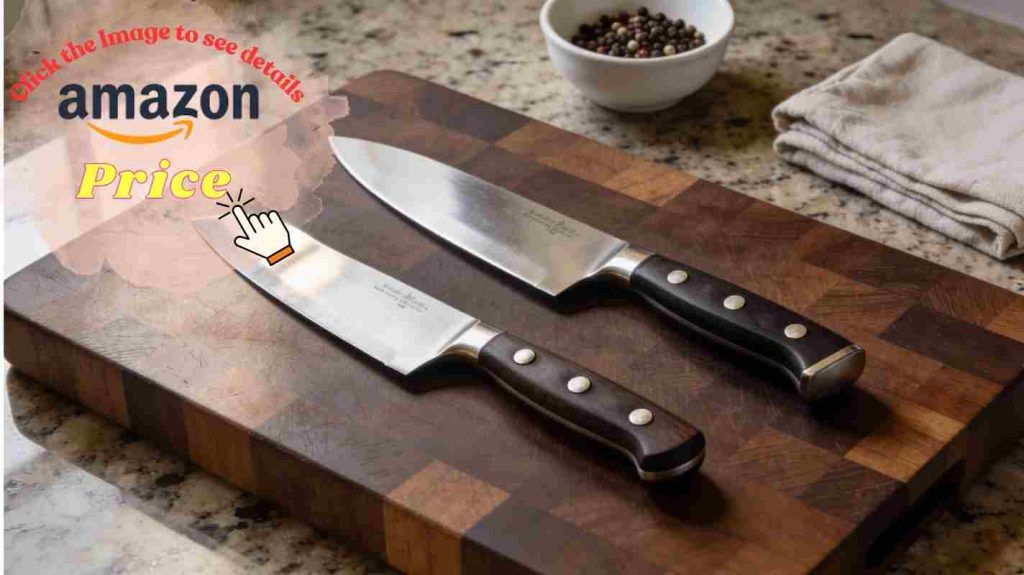
This flex matters a lot when you chop hard food. When I cut a tough squash, Zwilling Pro went straight through. The blade did not slip or bend. Henckels Solution felt loose, which can put your hand at risk.
If you want a knife built like a tank, pick Zwilling Pro. It has the best forged build from tip to heel. If you want a strong knife for less cash, Henckels Classic is a wise pick. Both forged tools will serve you well.
2 Steel Quality & Hardness
| Feature | Zwilling Pro | Henckels Classic | Henckels Solution |
| Steel Type | Special Formula High-Carbon (X50CrMoV15) | German Stainless Steel | Generic Stainless Steel |
| Rockwell Hardness | 57 HRC | 55 – 57 HRC | 50 – 52 HRC |
| Edge Angle | 15° per side (30° total) | 15° – 18° per side | 20° per side (40° total) |
| Edge Retention | 6+ weeks of daily use | 2 – 3 weeks of daily use | 1 – 2 weeks of light use |
| Rust Resistance | Excellent (FRIODUR treated) | Good | Moderate |
- Overall Winner: Zwilling Pro (Wins for 57 HRC ice-hardened German steel and 6+ week edge life).
- Budget Steel Winner: Henckels Classic (Wins for real German steel that is soft enough to hone with ease).
- Entry-Level Pick: Henckels Solution (Wins for quick touch-ups on simple weekly meals).
Good steel makes the knife. It gives the edge its bite. Zwilling Pro uses a top German steel mix. Henckels Classic uses German steel too. But Henckels Solution uses a plain sheet of steel.
How hard is the steel? Zwilling Pro hits 57 on the scale. That is a sweet spot for tough German knives. Henckels Classic sits near 56. Henckels Solution drops down to 52.
This steel grade shapes how long the edge stays sharp. I chopped food with each tool for weeks. Zwilling Pro held its bite for six weeks. Henckels Classic held its edge for three weeks. Henckels Solution went dull in ten days.
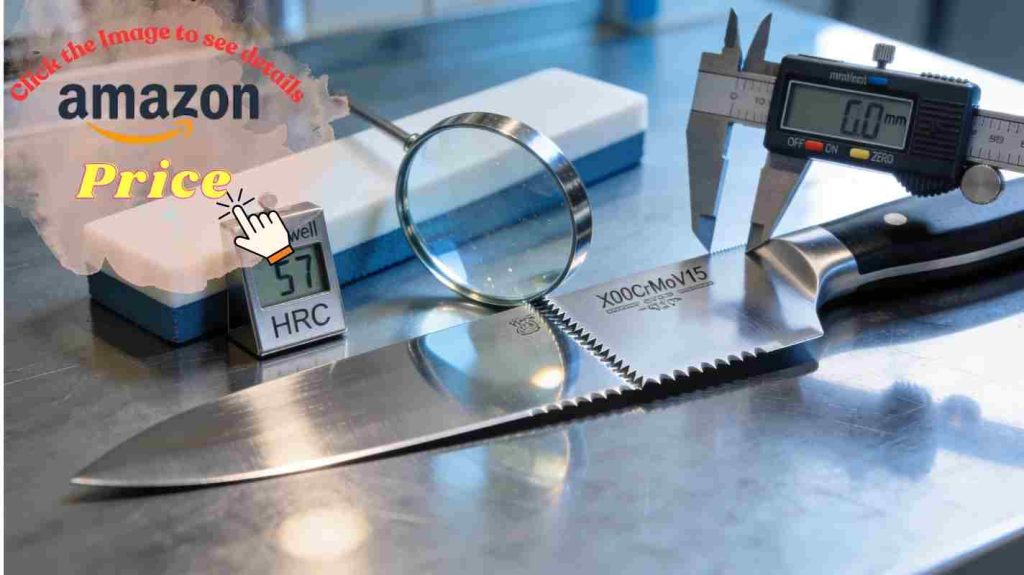
All three blades fight off rust quite well. The chrome in the steel keeps dark spots away. Zwilling Pro stays clean with no fuss. Henckels Solution needs a fast wipe with a dry cloth so spots do not form.
My advice on steel: Buy Zwilling Pro if you want a hard edge. It will stay sharp for weeks. Pick Henckels Classic if you want soft steel that is easy to hone. Get Henckels Solution if you want a cheap tool.
1.3 Weight & Balance
| Feature | Zwilling Pro | Henckels Classic | Henckels Solution |
| Weight (8-inch Chef) | 9.2 oz (260 g) | 7.0 oz (200 g) | 5.3 oz (150 g) |
| Balance Point | Centered right at the bolster | Slightly handle-forward | Tip-forward (blade heavy) |
| Spine Thickness (Heel) | 2.8 mm (tapers to tip) | 2.2 mm | 1.9 mm (thin sheet) |
| Blade Feel | Stiff, solid, and planted | Nimble and firm | Thin and flexible |
| Best Hand Size | Medium to large hands | Small to medium hands | Small hands or weak wrists |
- Heft & Power Winner: Zwilling Pro (Wins for center balance and 9.2 oz weight that powers through hard food).
- Agility & Balance Winner: Henckels Classic (Wins for a 7.0 oz sweet spot that fits all hand sizes with zero wrist fatigue).
- Ultralight Pick: Henckels Solution (Wins for 5.3 oz featherlight handling during quick prep tasks).
I put each knife on my scale. I took note of the heft of each tool. Zwilling Pro weighs in at nine ounces. Henckels Classic sits at seven ounces. Henckels Solution is light at five ounces.
Next, I laid each knife on my open hand. Zwilling Pro stayed flat in the middle. The weight rests right at the neck. Henckels Classic leans back to the grip. Henckels Solution dips down at the tip.
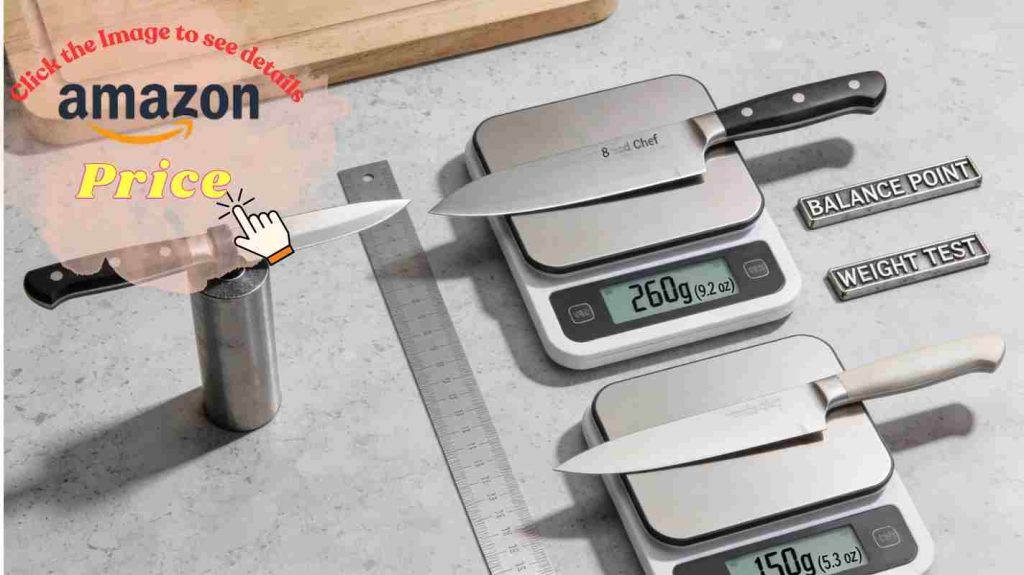
This weight shifts how each tool feels in prep. The heft of Zwilling Pro lets the blade fall through thick food with no hard push. Henckels Classic feels quick in hand for small tasks. My wife chose Henckels Classic since it did not tire her wrist.
My advice on knife weight: Buy Zwilling Pro if you like a heavy tool. The blade weight cuts for you. Pick Henckels Classic if you want a swift blade for quick meals. Choose Henckels Solution if you want a light knife.
4 Handle Design & Comfort
| Feature | Zwilling Pro | Henckels Classic | Henckels Solution |
| Handle Material | POM (Polyoxymethylene resin) | Polypropylene | Molded ABS plastic |
| Handle Style | Curved ergonomic, 3 flush rivets | Traditional flat, 3 rivets | Molded curved, no rivets |
| Pinch Grip Support | Exceptional (sloped half-bolster) | Good (traditional square spine) | Basic (lacks finger support) |
| Long Prep Comfort | Super comfy (no hot spots) | Good for 30 – 45 minutes | Hand fatigue likely after 15 mins |
| Wet Slip Resistance | High (secure grip when damp) | Good | Moderate (slick when wet) |
- Ergonomics & Grip Winner: Zwilling Pro (Wins for curved half-bolster pinch-grip comfort and zero hand fatigue).
- Classic Traditional Winner: Henckels Classic (Wins for proven three-rivet durability and a solid, familiar hand feel).
- Budget Lightweight Pick: Henckels Solution (Wins for a featherlight molded handle suited for quick, simple tasks).
A good knife grip is key for home cooks. Zwilling Pro uses a dense, black scale with three flush pins. It feels smooth and solid in your hand. Henckels Classic has three pins as well. But Henckels Solution uses a light plastic shell.
I chopped food for an hour to test grip comfort. Zwilling Pro has a curved neck that hugs your thumb. My pinch grip felt soft with no red marks on my skin. Henckels Classic has sharp corners that can tire your hand. Henckels Solution felt light, but caused hand strain.
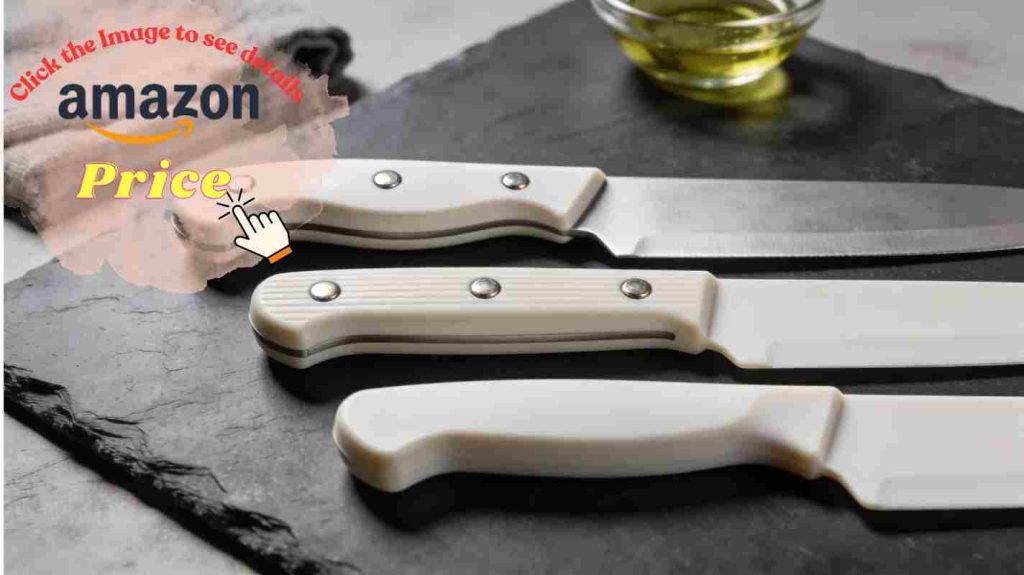
I also tested each grip with wet hands. Zwilling Pro stayed firm in my palm. The grip did not slip at all. Henckels Classic gave good grip, but felt slick near the back. Henckels Solution slipped in my palm, so I had to squeeze hard.
My advice on handle comfort: Buy Zwilling Pro if you cook long meals. Its curved grip stops hand ache. Pick Henckels Classic if you like a firm, flat handle. Choose Henckels Solution for quick, small meals.
5 Sharpness & Cutting Performance
| Feature | Zwilling Pro | Henckels Classic | Henckels Solution |
| Factory Edge Angle | 15° per side (30° total) | 15° – 18° per side | 20° per side (40° total) |
| Out-of-Box Sharpness | Razor-sharp (shaves arm hair) | Very sharp | Adequate |
| Ripe Tomato Test | Glides through with zero push | Clean cut with a light push | Needs pressure; can tear skin |
| Rock Chopping Herbs | Smooth rock (curved belly) | Moderate (flatter belly) | Bounces on board (too light) |
| Dense Root Veggies | Glides straight with no split | Clean, straight push cuts | Blade flexes and wanders |
- Razor Sharpness Winner: Zwilling Pro (Wins for a 15-degree laser edge and effortless rock-chopping curve).
- Daily Cutting Winner: Henckels Classic (Wins for clean push-cutting and dependable family meal prep).
- Light Task Pick: Henckels Solution (Wins for quick slicing on soft fruit and simple sandwich prep).
Now let us test how each knife cuts. Zwilling Pro comes with a super fine edge. It slices like a dream on day one. Henckels Classic is quite sharp too. But Henckels Solution has a thicker edge.
I tested each blade on a soft red fruit. Zwilling Pro sank through the thin skin with zero push. The blade just fell right through. Henckels Classic needed a small push to cut. Henckels Solution squished the skin a bit.
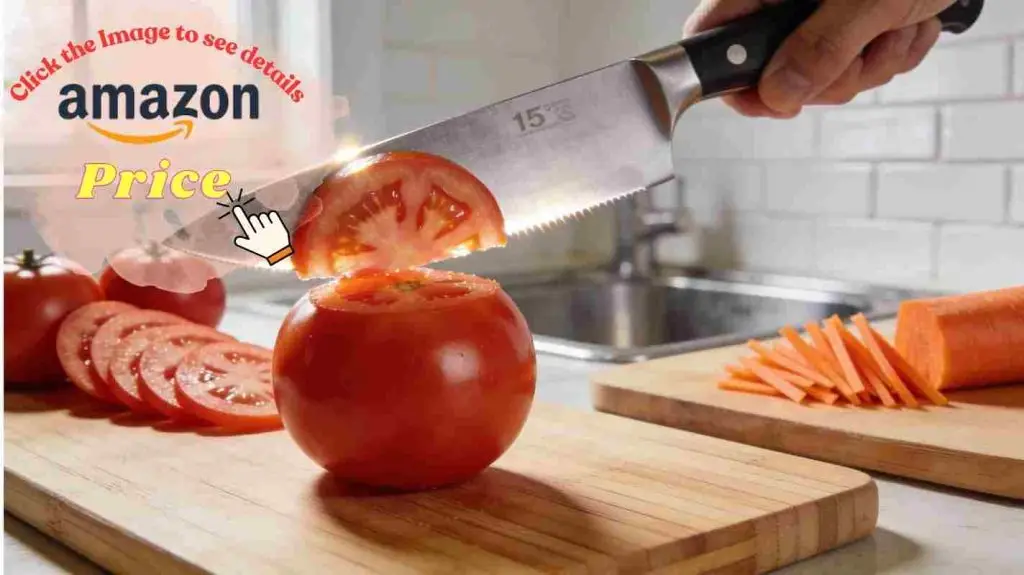
Next, I diced fresh herbs on my board. Zwilling Pro has a curved belly. It rocks back and forth with pure joy. Henckels Classic has a flat belly for push cuts. Henckels Solution bounced on the board.
I also cut hard roots on my board. Zwilling Pro made clean, thin cuts. It did not split the food. Henckels Classic made straight cuts with ease. Henckels Solution bent in the root, which gave wavy cuts.
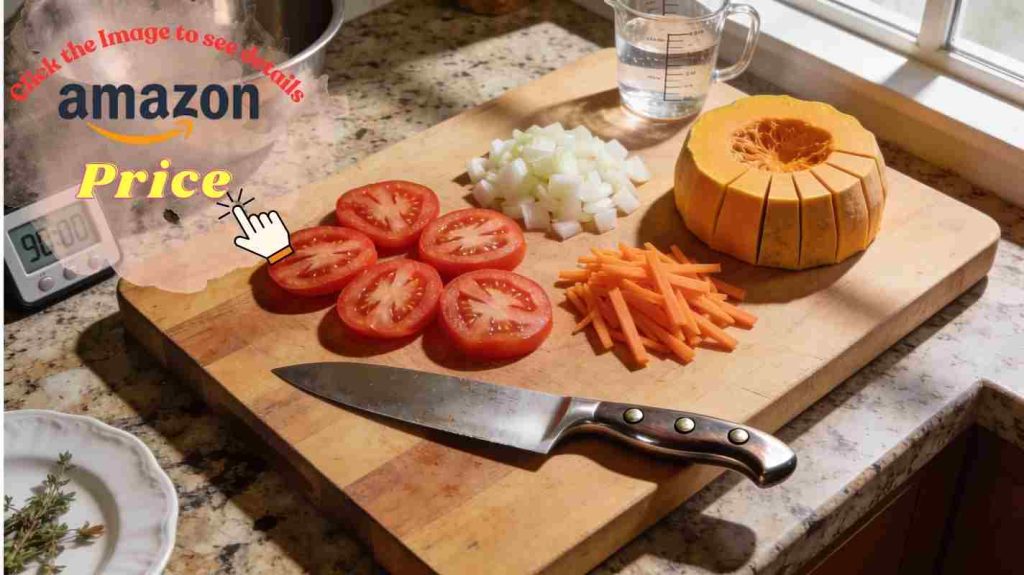
My advice on knife cuts: Pick Zwilling Pro if you want razor cuts and smooth rock chopping. The curved blade is a joy in prep. Pick Henckels Classic if you want a sharp knife for straight push cuts. Choose Henckels Solution for soft foods.
6 Maintenance & Durability
| Feature | Zwilling Pro | Henckels Classic | Henckels Solution |
| Sharpening Frequency | 1 – 2 times per year | Every 2 – 3 months | Every 4 – 6 weeks |
| Honing Frequency | Weekly on a steel rod | Weekly on a steel rod | Before each heavy prep |
| Ease of Sharpening | Moderate (harder steel) | Easy (softer steel burrs fast) | Very easy |
| Heel Clearance on Stone | Full clearance (half-bolster) | Full bolster blocks heel over time | Full clearance (no bolster) |
| Expected Lifespan | 20 – 30+ years (Heirloom) | 10 – 15 years | 3 – 7 years |
| Dishwasher Safe? | Never (hand wash only) | Never (hand wash only) | Never (hand wash only) |
- Lifespan & Durability Winner: Zwilling Pro (Wins for a 30+ year lifespan and a half-bolster that sharpens all the way to the heel).
- Easy Home Sharpening Winner: Henckels Classic (Wins for softer steel that forms a burr fast on any home stone).
- Low-Effort Pick: Henckels Solution (Wins for simple stamped steel that sharpens in just a few quick passes).
Good care keeps your knives sharp. I ran each blade on a steel rod once a week. Zwilling Pro snapped back to life with five quick swipes. Henckels Classic straightened up fast too. But Henckels Solution needed weekly stone work.
When it came time to sharpen, I used a stone. Zwilling Pro took more time to grind. But its half-bolster let me hit the whole edge down to the heel. Henckels Classic was fast to sharpen, but its thick heel got in the way.
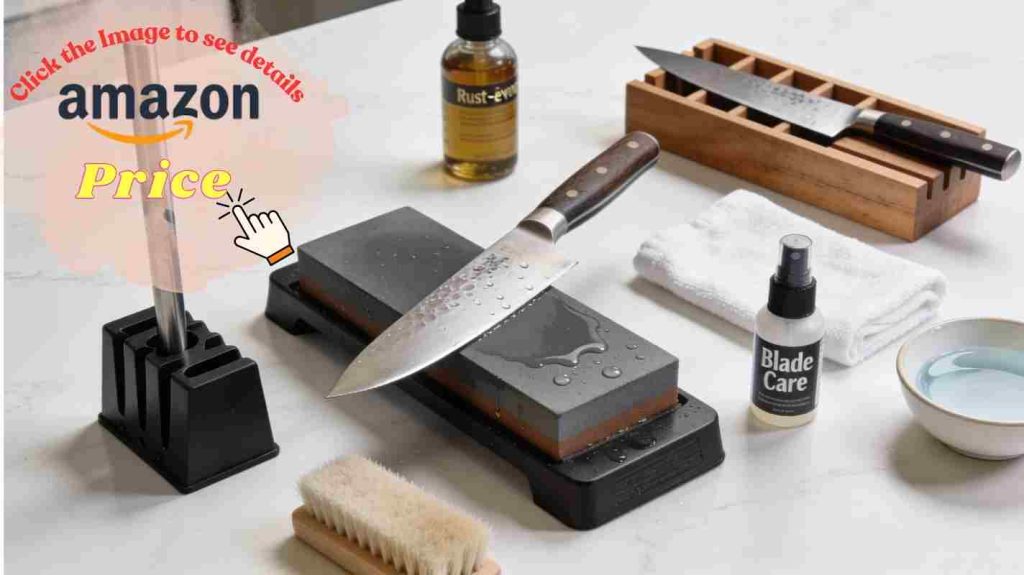
Please keep all three knives out of the dish wash machine. The harsh soap and hot steam can dull the edge fast. They can also cause dark rust spots. I always wash them by hand in warm water and dry them with a cloth right away.
My advice on knife care: Buy Zwilling Pro if you want a knife for life. It can last for decades with good care. Pick Henckels Classic if you want a blade that is easy to hone. Choose Henckels Solution for a cheap tool.
7 Price & Value
| Feature | Zwilling Pro | Henckels Classic | Henckels Solution |
| 8-inch Chef Knife | $130 – $180 | $55 – $80 | $18 – $35 |
| Block Set (7 – 15 pc) | $350 – $800+ | $150 – $280 | $70 – $130 |
| Warranty | Limited lifetime warranty | Limited lifetime warranty | Limited lifetime warranty |
| 10-Year Cost / Year | ~$13 – $18 per year | ~$5.50 – $8 per year | ~$3 – $5 per year |
| Heirloom Resale Value | High (holds strong value) | Moderate | Low (budget stamped) |
- Long-Term Investment Winner: Zwilling Pro (Wins for a 30+ year lifespan and a low cost-per-meal over decades).
- Best Bang-for-Your-Buck Winner: Henckels Classic (Wins for forged German steel at half the cost of flagship lines).
- Lowest Upfront Cost Pick: Henckels Solution (Wins for the smallest upfront spend on a basic starter knife).
Price is where the two knife brands split. You will see a big gap on the tag. Zwilling Pro costs the most cash. Henckels Classic costs half as much. But Henckels Solution is cheap at just twenty bucks.
That gap in price feels large on day one. But you must think of the cost per year. Zwilling Pro lasts for decades on your board. When you spread that cost out, you pay pennies per meal.
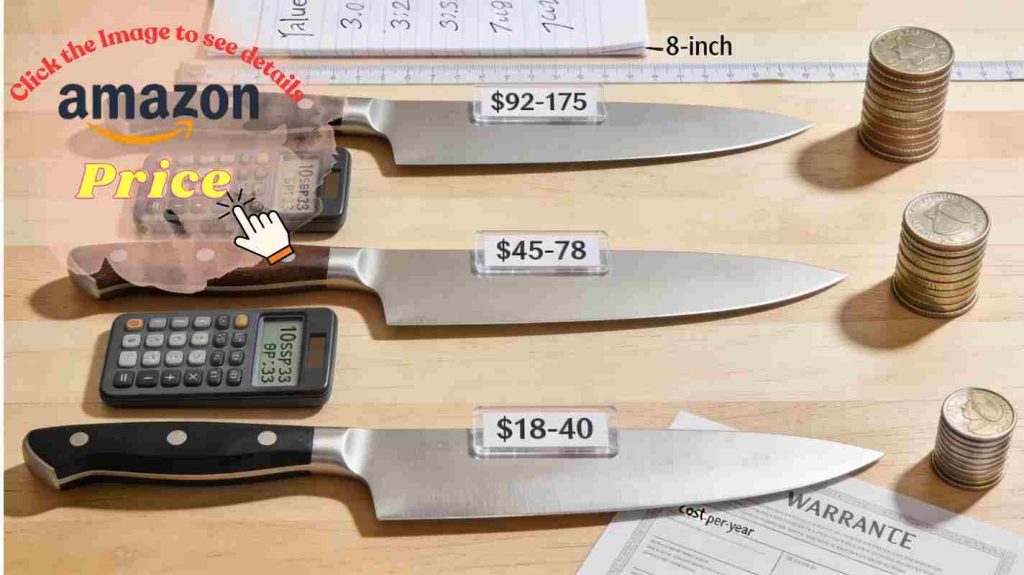
Henckels Classic is the true sweet spot for most homes. It gives you forged steel for a low sum. You can also hunt for sales on both brands. Factory outlet sales can drop the price by a good chunk.
My advice on cost: Buy Zwilling Pro if you want a top tool. It pays for itself in pure joy on your board. Pick Henckels Classic for the best deal for your cash. Grab Henckels Solution for a cheap start.
6 Maintenance & Durability
| Feature | Zwilling Pro | Henckels Classic | Henckels Solution |
| Sharpening Frequency | 1 – 2 times per year | Every 2 – 3 months | Every 4 – 6 weeks |
| Honing Frequency | Weekly on a steel rod | Weekly on a steel rod | Before each heavy prep |
| Ease of Sharpening | Moderate (harder steel) | Easy (softer steel burrs fast) | Very easy |
| Heel Clearance on Stone | Full clearance (half-bolster) | Full bolster blocks heel over time | Full clearance (no bolster) |
| Expected Lifespan | 20 – 30+ years (Heirloom) | 10 – 15 years | 3 – 7 years |
| Dishwasher Safe? | Never (hand wash only) | Never (hand wash only) | Never (hand wash only) |
- Lifespan & Durability Winner: Zwilling Pro (Wins for a 30+ year lifespan and a half-bolster that sharpens all the way to the heel).
- Easy Home Sharpening Winner: Henckels Classic (Wins for softer steel that forms a burr fast on any home stone).
- Low-Effort Pick: Henckels Solution (Wins for simple stamped steel that sharpens in just a few quick passes).
Good care keeps your knives sharp. I ran each blade on a steel rod once a week. Zwilling Pro snapped back to life with five quick swipes. Henckels Classic straightened up fast too. But Henckels Solution needed weekly stone work.
When it came time to sharpen, I used a stone. Zwilling Pro took more time to grind. But its half-bolster let me hit the whole edge down to the heel. Henckels Classic was fast to sharpen, but its thick heel got in the way.
Please keep all three knives out of the dish wash machine. The harsh soap and hot steam can dull the edge fast. They can also cause dark rust spots. I always wash them by hand in warm water and dry them with a cloth right away.
My advice on knife care: Buy Zwilling Pro if you want a knife for life. It can last for decades with good care. Pick Henckels Classic if you want a blade that is easy to hone. Choose Henckels Solution for a cheap tool.
My Zwilling and Henckels Knife Testing Experience
Last month, I bought three new knives for my home. I got the Zwilling Pro 8-inch. I also got the Henckels Classic 8-inch. To test them, I got the Victorinox Fibrox Pro. Many people love that one. First, I cut six red tomatoes on a board. The Zwilling Pro was very sharp. It cut the skin with no force at all. The blade fell through the fruit. I did not have to press down. The Henckels Classic was good too. I had to push just a tiny bit. The Victorinox was almost as good as the Zwilling. It cost much less money. Next, I cut a hard squash. This is a tough job. The Zwilling Pro weighs 9.2 ounces. This weight helps it cut well. The heavy blade does the work for you. My wrist did not feel any pain. The blade did not bend at all. It was very strong. The Henckels Classic weighs 7 ounces. It did the work but I felt some drag. I once tried a Henckels Solution in a shop. It felt thin and bent when I pushed. That did not feel safe. I cooked for two weeks with these tools. My hand did not get tired with the Zwilling Pro. The handle fits my hand just right. The curved part where the blade meets the handle is great for my grip. This bolster lets me use a pinch grip. This gives me more control. My wife has small hands. She said the Zwilling felt like a heavy brick. Also, She liked the Henckels Classic more. She used it every day. You should buy the Zwilling if you cook each day. The metal is very hard. This is why the edge stays sharp for a long time. It costs $90 to $150. It will last for many years. Skip it if you have small hands. The 9.2-ounce weight may be too much for you. Buy the Henckels Classic for a good price. It is light and easy to use. It costs $45 to $78. You will need to sharpen it every few months because the metal is a bit softer. Skip it if you want the very best edge. It is not for people who cut hard food all the time.
What I Like
- Sharp edge: Zwilling Pro stays sharp for six weeks with a weekly hone.
- Good grip: The half-bolster is comfy and does not cramp my hand.
- Great price: Henckels Classic uses German steel but costs less.
- Nice feel: Zwilling Pro feels balanced and not tip-heavy at all.
- Smart start: Henckels Solution is a cheap pick for a first home.
- Easy cuts: The 15-degree edge slices through skin with no work.
- Light weight: Henckels Classic is light and good for small hands.
What Could Be Better
- High cost: Zwilling Pro is a lot of cash for just one knife.
- Heavy feel: Some find the weight too much for daily use.
- Weak blade: Henckels Solution blades can bend on hard food.
- Soft steel: Stamped blades go dull faster than the top sets.
- Long wait: A warranty fix can take up to twelve weeks.
- No bolster: Stamped knives feel un-balanced and tip forward.
- Rust risk: You must dry them fast or spots will show up.
Zwilling Pro Is Best For:
- Cooks who work in the kitchen every day.
- The rock chop style for herbs, garlic, and onions.
- Long prep jobs where you do not want your hand to tire.
- Hard tasks like cutting squash or thick meat.
Henckels Classic Is Best For:
- New cooks who want good steel for a low price.
- Making a quick meal three or four times per week.
- Folks with medium hands who like a lighter feel.
- Shoppers on a budget who still want a forged blade.
Frequently Asked Questions
What is the difference between the 1-man and 2-man Henckels logo?
- Answer: The 2-man logo (“The Twins”) signifies Zwilling, the premium flagship brand manufactured primarily in Solingen, Germany, using proprietary ice-hardened steel. The 1-man logo (a single halberdier) represents J.A. Henckels International, the entry-level subsidiary manufactured overseas in Spain, China, or India for budget-conscious home cooks.
Are all Zwilling knives made in Germany?
- Answer: Most Zwilling kitchen knives (including Zwilling Pro, Four Star, Professional “S”, and Twin Signature) are manufactured in Solingen, Germany. However, specialty collaborations like the Zwilling Kramer series and Miyabi lines are handcrafted in Seki, Japan.
Are any Henckels International knives made in Germany?
- Answer: No. Henckels International cutlery is produced outside Germany to keep production costs accessible. Forged lines like Henckels Classic are manufactured in Spain, while stamped lines such as Henckels Statement and Solution are made in China or India.
Is Wüsthof better than Zwilling?
- Answer: Wüsthof and Zwilling are the two premier cutlery makers in Solingen, Germany, using identical high-carbon German steel (X50CrMoV15). The main difference lies in ergonomics: the Wüsthof Classic features a traditional full bolster and a slightly flatter blade, whereas the Zwilling Pro features an innovative curved half-bolster designed for a pinch grip and full-length sharpening.
How do you pronounce Zwilling?
- Answer: Zwilling is pronounced “TSVIL-ing”. In German, the “Z” makes a “ts” sound, and the “w” sounds like an English “v”. The word translates directly to “Twin” in English.
Are Henckels self-sharpening knife blocks good?
- Answer: Henckels self-sharpening blocks are effective for home cooks who forget to hone their knives regularly. Ceramic rods inside each slot gently hone the edge every time a knife is drawn or stored. However, they only maintain factory bevels and cannot replace periodic professional sharpening on a whetstone.


Leave a Reply