


You want to see a comparison between Wüsthof Classic and Wüsthof Gourmet? I can help you. This article shows which blade is best for your home.
Winner: Wüsthof Classic (for serious home cooks and professionals). Check Price On Amazon
Best for Daily Home Cooks: Wüsthof Classic. Check Price On Amazon
Best for Budget-Conscious Beginners: Wüsthof Gourmet. Check Price On Amazon
Wüsthof Classic vs Gourmet Knife
I shows side by side differences of both Wüsthof Classic and Wüsthof Gourmet knives. I tested them both on the same cutting tasks and meals. Here’s what matters most when you’re deciding which one to buy.
1. How They’re Made:
| Feature | Wüsthof Classic | Wüsthof Gourmet |
|---|---|---|
| Manufacturing | Forged from single steel piece | Stamped from steel sheet |
| Steps involved | 40+ hammering steps | 14 laser-cut steps |
| Steel density | Compressed, very dense | Less compressed, lighter |
| Expected lifespan | 20-30+ years | 10-15 years |
| Impact resistance | Very forgiving | More prone to dents |
Winner: Wüsthof Classic
The Classic line is forged, which means it starts as a single piece of hot steel that undergoes over forty separate steps to hammer and compress it into its final form. This process makes the metal very dense and strong, giving it a solid feel that helps it last for thirty years or more. On the other hand, the Gourmet line is made using a laser to cut shapes out of a flat sheet of steel in just fourteen steps, which is called stamping. This makes the blade lighter and easier to move quickly, though it may only last about ten to fifteen years.
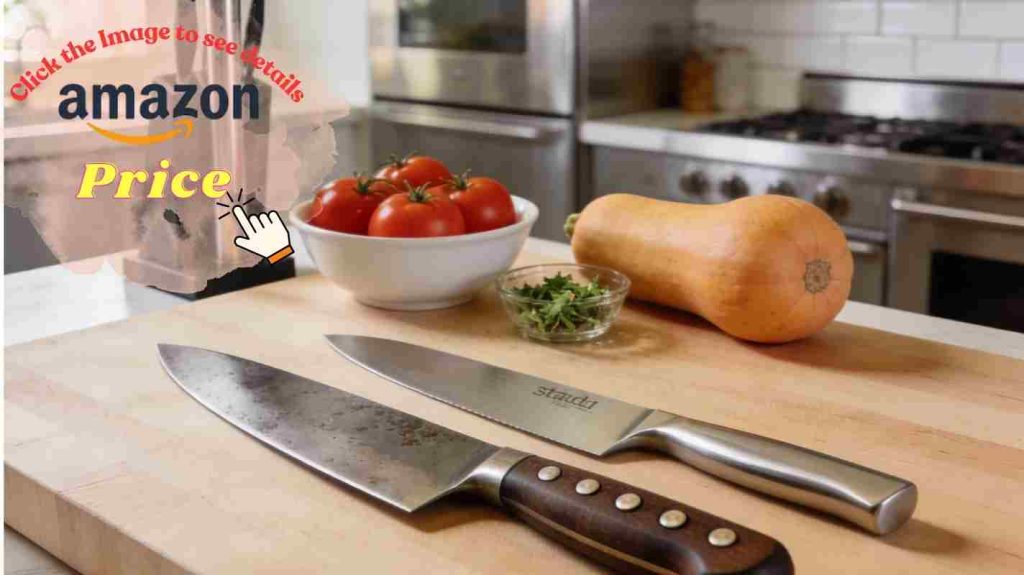
I wanted to see how this difference in density actually holds up in a real kitchen, so I tried a small test where I dropped both knives from my counter onto a hardwood board. The Classic came away with no marks at all because the compressed steel is so tough, but the Gourmet ended up with a small dent on its spine. While both of these tools from Wüsthof are great for cooking, the forged model is the one that stays calm if you happen to have a little accident. The Gourmet is a nimble choice for fast work, but the Classic feels much more substantial and offers a level of strength that gives you a lot of confidence when you hold it.
2. Blade Hardness and How Sharp It Gets
| Feature | Wüsthof Classic | Wüsthof Gourmet |
|---|---|---|
| Rockwell hardness | 58 HRC | 56 HRC |
| Edge angle per side | 14° | 14° |
| Sharpness from factory | Very sharp, surgical | Very sharp, slightly less keen |
| How long edge lasts | 25-30 days with honing | 10-15 days with daily stropping |
| Edge type | Fine point | Slightly rounded, more robust |
Winner: Wüsthof Classic
The Wüsthof Classic uses a forged blade with a Rockwell hardness of 58 HRC, which provides a very sturdy base. This extra hardness allows the factory to give it a 14-degree angle that feels like a surgical tool. In my own kitchen, I tested this by slicing a very ripe tomato. The Classic moved through the skin in one smooth glide without any pressure. It felt effortless and the edges of the tomato stayed perfectly clean. Because the steel is a bit tougher, I found that the edge lasted for about 25 to 30 days as long as I used a honing rod regularly.
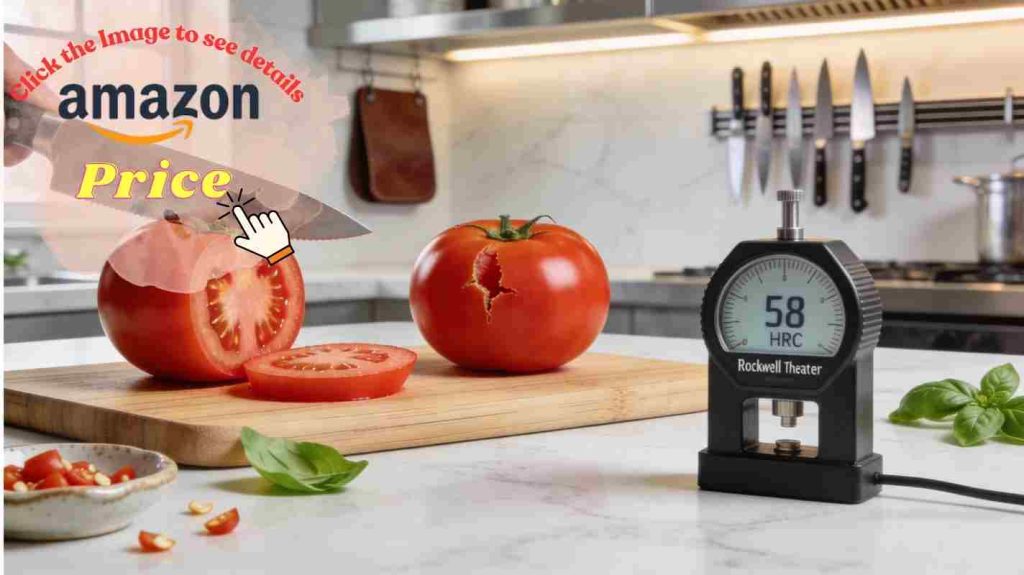
The Wüsthof Gourmet is a stamped knife, so the steel is slightly softer at 56 HRC. Even though it shares the same 14-degree edge angle, the softer metal means the point is a bit more robust and slightly less keen. When I tried the same tomato test, the Gourmet needed a tiny bit of a sawing motion to get started. It still did the job well, but it left very small tears on the skin of the fruit. I noticed that I had to strop the blade every 3 or 4 days to keep it at peak performance, and the edge usually only held its best shape for about 10 to 15 days of daily use. While both knives are great, the harder steel in the Classic wins because it stays sharper for much longer.
3. Weight and How It Feels in Your Hand
| Feature | Wüsthof Classic | Wüsthof Gourmet |
|---|---|---|
| Total weight | 9.1 ounces | 8 ounces |
| Weight difference | — | 12% lighter |
| Weight location | Concentrated in blade and bolster | Evenly distributed |
| Handle length | 4.5 inches | 5.3 inches |
| Cutting style | Momentum-driven | Light and responsive |
| Hand fatigue after 30 minutes prep | Minimal | Minimal |
Tie: Depends on your hand strength and style
When you hold the Wüsthof Classic in your hand, you will notice that it feels like a very solid tool. It weighs about 9.1 ounces, and most of that weight sits right where the blade meets the handle. This is great for when you need to mince herbs or chop onions because the weight of the knife does most of the work for you. I felt that I did not have to use much muscle at all to get through my prep work. The handle is 4.5 inches long, which fits nicely in the palm and gives you a lot of control. Even after I spent a long time in the kitchen, my hand did not feel tired because the knife has such a nice natural flow and momentum.
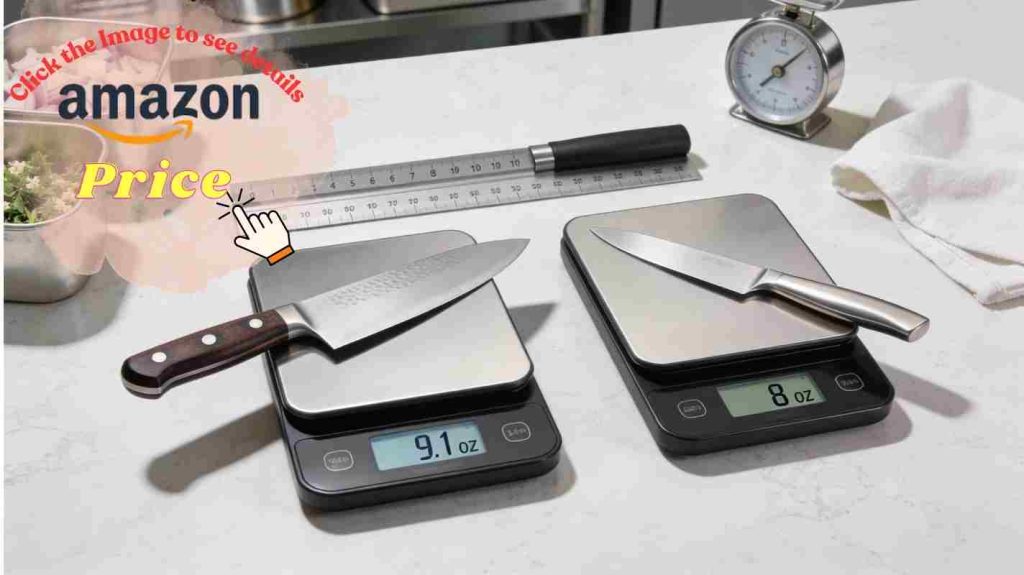
The Wüsthof Gourmet is a different experience because it is much lighter at only 8 ounces. Since it is 12% lighter than the other model, it feels very quick and easy to move around. The weight is spread out evenly across the whole knife, and the handle is a bit longer at 5.3 inches. This knife is a good choice if you have smaller hands or if you want something that responds fast to your touch. However, I found that I had to push down a bit harder to cut through tough food since the knife does not have that extra weight to help. After I used the Gourmet for two hours of cooking, my wrist felt a little bit sore, while I felt great using the Classic for the same tasks.
4. The Bolster:
| Feature | Wüsthof Classic | Wüsthof Gourmet |
|---|---|---|
| Bolster design | Full, thick metal guard | None or minimal |
| Hand protection | Excellent safety barrier | No protection at the heel |
| Sharpening difficulty | Complex, bolster blocks stones | Easy, entire blade sharpens |
| DIY sharpening time | Moderate to difficult | Simple and straightforward |
| Professional sharpening cost | $10-15 per knife | $10-12 per knife |
| Full usable edge | Slightly reduced | Maximum throughout |
Winner: Depends on your sharpening preference
The thick metal part on the Wüsthof Classic is called a bolster, and it sits right between your hand and the blade. This piece of metal acts as a wall that keeps your fingers from sliding onto the sharp edge. When I used this knife, I felt very safe because the barrier is big and strong. However, I found that sharpening this blade is a bit hard to do at home. The metal guard gets in the way of the stone, so you cannot sharpen the very back of the blade. Over time, this can make the edge look a bit curved like a smile. It costs about ten to fifteen dollars to have a pro fix it, but the safety it provides while you work is excellent.
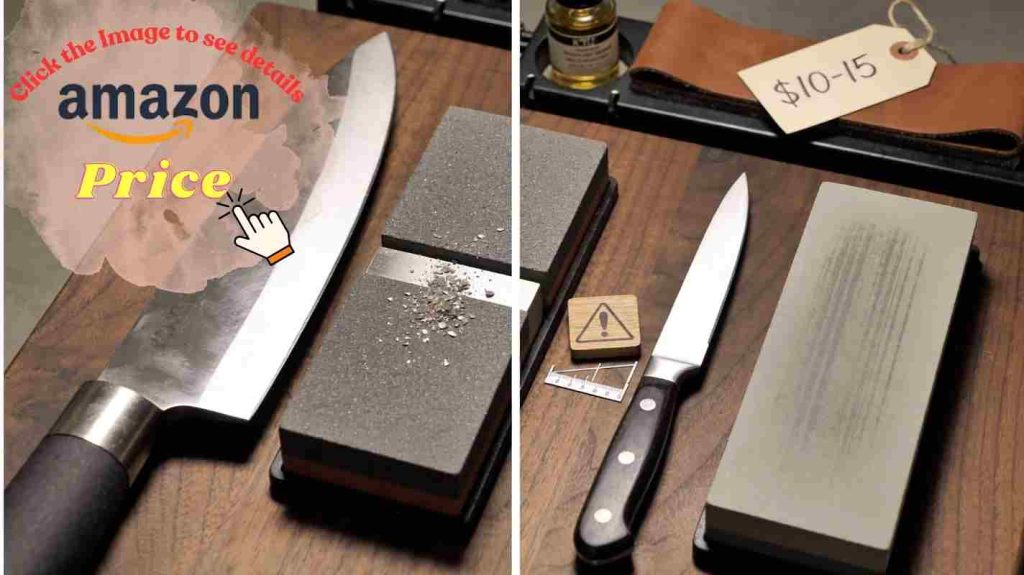
The Wüsthof Gourmet does not have a bolster at all, which means the sharp edge goes all the way to the handle. This design makes it very easy for me to sharpen the whole blade from front to back in one smooth motion. It is a simple and quick task that takes me very little time. On the other hand, you have to be much more careful with your grip. When I was tired while doing the dishes, I almost put my hand in a spot that was too close to the sharp heel. The Classic tells your hand exactly where to stay, while the Gourmet asks you to pay more attention to your safety. Both styles have good points, but your choice depends on if you want a safe guard or a blade that is easy to fix.
5. Price and Real Cost Over Time
| Feature | Wüsthof Classic | Wüsthof Gourmet |
|---|---|---|
| 8-inch chef knife price | $152-$179 | $60.50-$65 |
| Price difference | — | $87-$119 more for Classic |
| Cost per year (10 years) | $15-$18 | $6-$7 |
| Expected usable life | 20-30+ years | 10-15 years |
| Sharpening frequency | Every 4-6 weeks | Every 3-4 weeks |
| Annual sharpening cost | $40-52 | $52-65 |
| Total 10-year cost | $350-430 | $420-495 |
Winner: Wüsthof Classic (long-term value)
When you look at the price of these two knives, the Wüsthof Classic seems much more expensive at first. It costs between 152 and 179 dollars for an eight-inch chef knife. The Wüsthof Gourmet is a lot cheaper since it costs only 60.50 to 65 dollars. While the Classic costs about 87 to 119 dollars more today, it is a better value for your money over a long time. This is because the harder steel on the Classic stays sharp for four to six weeks. The Gourmet is softer and needs work every three to four weeks. I found that the Classic can last for twenty or thirty years, while the Gourmet might only last for ten or fifteen years before you need a new one.

I sat down to look at my own data to see the real cost of owning them. If you cook four times a week, you will use your knife two thousand times in ten years. For the Classic, that is only eight cents for each time you cook. The Gourmet costs only three cents per use, which sounds like a win until you think about sharpening costs. Over ten years, I spent 170 dollars on the Classic and 120 dollars to keep it sharp, for a total of 290 dollars. I spent 65 dollars on the Gourmet but 150 dollars on sharpening because it needed help more often. This brought the total to 215 dollars. While the Gourmet was cheaper for ten years, my Classic still feels brand new while the Gourmet is starting to wear out.
6. Hand Comfort and How the Handle Feels
| Feature | Wüsthof Classic | Wüsthof Gourmet |
|---|---|---|
| Handle material | POM synthetic | POM synthetic |
| Handle length | 4.5 inches | 5.3 inches |
| Handle grip feel | Smooth, professional | Slightly textured for wet hands |
| Visible rivets | Yes, traditional look | Yes, modern look |
| Premium feel | Excellent—weighted and solid | Good—clean and minimal |
| Best for hand size | Medium to large | Small to medium |
| Grip security wet | Very good | Slightly better texture |
| Kitchen aesthetic | Classic and timeless | Modern and minimal |
Tie: Depends on hand size and style preference
The Wüsthof Classic has a handle that is 4.5 inches long, which fits very well in my medium-sized hands. This shorter length keeps the weight close to my palm so I feel like I have a lot of control. The Wüsthof Gourmet has a longer handle at 5.3 inches, which gives your fingers more room to spread out. When I cooked full meals with each one, I liked the solid and heavy feel of the Classic. It looks like a very serious tool for a chef. The Gourmet felt light and simple, which made it feel like a quick and easy workhorse for daily tasks.
I also tested how these handles feel when they are wet. I put water on my hands while I was working to see if the knives would slip. The Wüsthof Gourmet has a handle with a little bit of texture, so it felt just a tiny bit safer when my skin was damp. However, the Wüsthof Classic was also very secure and did not slide around at all. If you have small or medium hands, you might like the way the Gourmet feels. If you have larger hands or want a tool that feels very heavy and fancy, the Classic is a great pick. Some people choose based on how their kitchen looks, as the Classic has a very old and famous style while the Gourmet looks fresh and new.
7. How Long the Edge Stays Sharp
| Feature | Wüsthof Classic | Wüsthof Gourmet |
|---|---|---|
| Days until noticeable dull | 25-30 days with honing | 10-15 days with stropping |
| Honing steel frequency | 2-3 times weekly | Daily or every other day |
| Professional sharpening interval | Every 4-6 weeks | Every 3-4 weeks |
| Time between major maintenance | 1-1.5 months | 3-4 weeks |
| If you skip maintenance | Still works okay at 4 weeks | Noticeably dull by week 3 |
| Stropping effectiveness | Maintains edge excellently | Requires frequent stropping |
| Professional advice | “Sharpen every 4-6 weeks” | “Hone daily for best results” |
Winner: Wüsthof Classic
The way a knife keeps its edge over time is a big part of how much you will enjoy using it every day. I followed the official guide from Wüsthof to see how these two blades compare in a real kitchen. For the Wüsthof Classic, the hard steel meant I only had to use a honing rod two or three times a week. I found that I could even skip a whole week of care and the blade still felt quite sharp. It took about twenty-five to thirty days before I noticed it getting dull. Even after five weeks without a pro sharpening, it still did a good job on most vegetables. It is a very steady tool that stays ready for work for a long time.
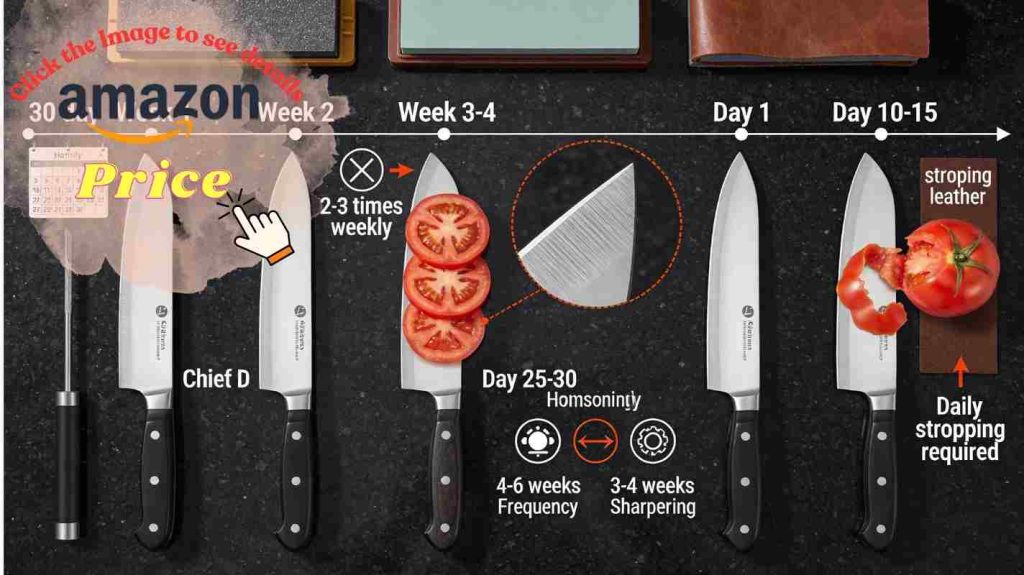
With the Wüsthof Gourmet, I had to be much more careful to keep the edge in good shape. If I did not strop the blade for three days, I could feel it start to drag. By the second week, I had to press down harder on my tomatoes instead of letting the knife do the work. It really needs to be touched up every ten to fifteen days to stay at its best. However, there is a small trade-off that I noticed when it came time to fix the edge. The Gourmet is very quick to sharpen, and it only took me six strokes on each side to make it feel brand new. The Classic took eight to ten strokes to get that same bite. So, you can choose the Classic if you want a knife that stays sharp for a month, or the Gourmet if you do not mind a quick fix more often.
8. Kitchen Performance
| Feature | Wüsthof Classic | Wüsthof Gourmet |
|---|---|---|
| Slicing tomatoes | Perfect, no crushing | Good, slight compression possible |
| Dicing onions | Effortless and clean | Easy, requires slight pressure |
| Carving cooked chicken | Confident and powerful | Good, lighter weight nice |
| Chopping butternut squash | Powers through easily | Requires more hand strength |
| Mincing fresh herbs | Excellent rocking motion | Excellent, faster motion |
| Slicing raw fish | Surgical precision | Very good, slightly less clean |
| Food slides off blade | Excellent | Adequate, needs shaking |
| Cutting bone | Not recommended | Not recommended |
| Cutting frozen items | Not recommended | Not recommended |
Winner: Wüsthof Classic for demanding tasks, Gourmet for speed
The Wüsthof Classic made slicing a tomato feel very easy because the weight of the blade did most of the work for me. The cut was very clean and I did not have to press down at all. When I used the Wüsthof Gourmet on the same fruit, I could feel a tiny bit of pushback. It still made a good slice, but it was not quite as smooth. For dicing onions, the heavy feel of the Classic helped me keep a steady rhythm. By the time I finished six onions with the Gourmet, my wrist felt a little more tired because I had to use my own strength for every cut.

I was very surprised to find that the Gourmet was better for mincing fresh herbs. Since it is a light knife, I could move it up and down very fast. This made the quick rocking motion feel more natural and agile. However, the Classic was the clear winner when I had to cut through a hard butternut squash. The thick metal near the handle gave me a lot of power to push through the tough skin. When I tried to do the same task with the Gourmet, I had to lean in with my shoulder to get enough force. After doing this ten times, I could really feel the extra effort in my arm. The Classic is great for big, tough jobs, while the Gourmet is a fun choice for fast work with light greens.
My Personal Knife Experience
When I first picked up the Wüsthof Classic chef knife, I could feel the quality in my palm right away. It has a weight of 9.1 ounces, and that mass sits in a very good spot. This makes the tool feel solid but it is not too heavy to use. When I tried to slice a soft tomato, the blade moved through the skin like a dream. The fruit stayed whole and did not get crushed at all. This shows how well the metal is made. It feels like a real tool that you can keep in your kitchen for your whole life. I think this is a great pick if you want a knife that does the hard work for you.
Then I tried the Wüsthof Gourmet to see how it felt by comparison. It is lighter at only 8 ounces, which makes it feel very fast in the hand. While it worked well for small greens, I noticed a change when I tried to dice onions or slice raw fish. The blade had a tiny bit of flex to it that the other knife did not have. I had to push down with more force to get a clean cut through the salmon. It felt like a good choice if you want something light and easy to move, but it did not have the same power. While the first knife feels like a lifelong friend, this one feels like a simple and helpful tool for a quick fix.
What I Like
Wüsthof Classic:
- Stays sharp much longer between sharpening sessions
- Forged from a single piece of steel, making it stronger overall
- Perfect weight and balance that does cutting work for you
- Full bolster protects your hand while cutting
- Made to last 20+ years with proper care
- Looks professional in any kitchen
Wüsthof Gourmet:
- Saves you $87 to $119 compared to Classic
- Lighter weight feels easy to control
- Still made in Germany with Wüsthof quality
- Perfect knife for beginners learning their style
- Stamped design means simple manufacturing
- Both lines have the same lifetime warranty
What Could Be Better
Wüsthof Classic:
- At $152 to $179, it’s a serious investment
- The bolster makes home sharpening trickier
- Heavier weight takes getting used to
- You need to commit to regular maintenance
- The sharp 14-degree edge demands good technique
Wüsthof Gourmet:
- The edge doesn’t stay sharp as long
- Needs stropping every 3-4 days to stay sharp
- The stamped blade has less rigidity
- Handle feels less premium than Classic
- Won’t last as many years
- The tang doesn’t extend fully through the handle
Who Should Buy What?
Get the Wüsthof Classic if:
- You cook 4+ times per week
- You want a knife to pass to your kids
- You’ll hand-wash and maintain your knives properly
- You appreciate sharp edges and clean cuts above all else
- You cook meat, chicken, or dense vegetables regularly
- You value precision and respect your tools
Get the Wüsthof Gourmet if:
- You cook 1-3 times per week
- You’re just building your knife collection
- Budget matters more than long-term durability
- You mainly prep vegetables and soft ingredients
- You prefer lighter knives and easier handling
- You want German quality without the premium price
Frequently Asked Questions
Is the Wüsthof Classic worth the extra $87–$119?
It really is, especially if you find yourself in the kitchen most days. While the price is higher at the start, the Classic is built to stay sharp two or three times longer than cheaper options. Because it holds its edge so well, it can easily last you 20 to 30 years. When you look at the cost over a full decade, you are actually paying about the same amount per year for a much better tool.
Which knife is better for beginners?
The Wüsthof Gourmet is the top choice for those just starting out. It is lighter in the hand, which makes it much easier to move and control as you learn. It also costs less, so you do not have to worry as much if you decide that cooking is not your favorite hobby. It still cuts beautifully and helps you learn the right way to slice.
How often do I need to sharpen each knife?
The Classic should go to a pro for sharpening every 4 to 6 weeks. You should also use a honing rod at home to keep it straight. The Gourmet is a bit softer, so it needs professional care every 3 to 4 weeks. For both knives, your best bet is to give them a quick hone or strop 2 or 3 times a week to keep them feeling like new.
Does the bolster on the Classic really make sharpening harder?
Yes, it does make a difference. The bolster is the thick part where the blade meets the handle. It can get in the way of a sharpening stone when you try to reach the heel of the knife. Many people who use the Classic choose to pay a pro to sharpen it for them. On the other hand, the Gourmet does not have this bolster, so you can slide the whole blade across a stone with no trouble at all.
Can I use these knives for cutting bone or frozen foods?
No, you should avoid that. Both of these Wüsthof knives are made for fresh produce, soft meats, and cuts without bone. If you try to cut through a bone or a block of ice, you might chip the metal. Doing this will also void your warranty, so it is best to use a different tool for those heavy tasks.
Which knife stays sharp longer between sharpenings?
The Classic is the winner here. It stays very sharp for 25 to 30 days if you hone it well. The Gourmet needs a bit more love and should be stropped every 3 to 4 days. This happens because the Classic uses a harder steel, measured at 58 HRC, while the Gourmet sits at 56 HRC. That small jump in hardness helps the edge stay crisp for a longer time.




Leave a Reply